Tobacco: A Threat to Health, Development, and the Future.
Abstract
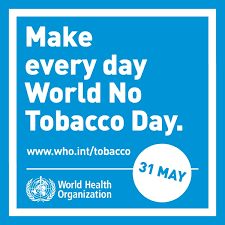
Every year on 31 May, the world observes World No Tobacco Day, a global awareness campaign led by the World Health Organization (WHO) to highlight the harmful effects of tobacco use and encourage individuals to adopt healthier, tobacco-free lifestyles.
In 2026, World No Tobacco Day serves as an important reminder that tobacco remains one of the leading causes of preventable illness and death worldwide. Millions of people suffer from diseases associated with smoking and other forms of tobacco consumption, including lung cancer, cardiovascular diseases, stroke, and chronic respiratory conditions.
The harmful effects of tobacco extend beyond smokers themselves. Exposure to second-hand smoke places family members, friends, and co-workers at significant health risk. Children, pregnant women, and older adults are particularly vulnerable to the adverse effects of tobacco smoke. Therefore, creating tobacco-free environments is essential for protecting public health and promoting healthier communities.
In 2026, World No Tobacco Day remains a critical reminder that tobacco continues to be one of the leading causes of preventable disease and premature death worldwide. Despite decades of awareness campaigns, millions of people are still affected by tobacco-related illnesses, including lung cancer, cardiovascular diseases, stroke, and chronic respiratory conditions.
This article examines tobacco not only as a health issue but also as a broader threat to economic development, environmental sustainability, and social well-being.
In addition to its health consequences, tobacco has substantial economic and environmental impacts. Many families spend considerable portions of their income on tobacco products, reducing resources available for education, nutrition, and other basic needs. Furthermore, tobacco cultivation and cigarette waste contribute to deforestation, soil degradation, pollution, and environmental destruction.
World No Tobacco Day encourages governments, educational institutions, healthcare organizations, communities, and individuals to strengthen tobacco control measures. Public awareness campaigns, smoke-free policies, taxation of tobacco products, and smoking cessation support programs have proven effective in reducing tobacco consumption and its associated harms.
Young people, in particular, are encouraged to avoid tobacco use. The most effective way to prevent tobacco-related diseases is never to begin using tobacco products. Education and awareness play a crucial role in empowering the younger generation to make informed and healthy decisions.
As the world commemorates World No Tobacco Day 2026, it is important to renew our collective commitment to protecting public health, supporting tobacco cessation efforts, and building a healthier future for all. Every step toward a tobacco-free life contributes to longer, healthier, and more productive living.
Keywords: Tobacco, Smoking, Public Health, World No Tobacco Day, Tobacco Control, Disease Prevention, Health Promotion, Environmental Health.
“Choose Health. Choose Life. Say No to Tobacco.”Dr. Havugimana Alexis
1. Introduction
Tobacco use remains one of the most persistent global public health challenges of the 21st century (World Health Organization, 2023). Despite significant progress in tobacco control policies across many countries—including increased taxation, advertising restrictions, and smoke-free legislation—consumption patterns remain concerning. The burden is particularly evident among young people and in low- and middle-income countries, where awareness levels may be lower and enforcement of regulations is often inconsistent (WHO, 2023).
The observance of World No Tobacco Day provides a critical moment for global reflection, evaluation of progress, and renewed commitment to tobacco control. It serves not only as a reminder of the health risks associated with tobacco use but also as a call to accelerate preventive actions at all levels of society (WHO, 2023).
From the author’s perspective (Havugimana, 2026), tobacco control should be understood as a shared responsibility rather than an individual burden alone. While governments and health organizations play a central role in policy formulation and enforcement, long-term success depends heavily on community engagement, family education, and youth empowerment.
Furthermore, Havugimana (2026) emphasizes that prevention must begin early through strong educational systems that clearly communicate the health, economic, and social consequences of tobacco use. In addition, greater investment is needed in cessation support programs to assist individuals who are already addicted.
Ultimately, the author argues that reducing tobacco consumption is not only a health priority but also a development strategy. A tobacco-free population is more productive, economically stable, and socially resilient, making tobacco control a foundation for sustainable national and global development (Havugimana, 2026).
2. Tobacco and Public Health
Tobacco smoke contains thousands of harmful chemicals, many of which are toxic, addictive, and carcinogenic. Scientific evidence consistently shows that regular tobacco use significantly increases the risk of major non-communicable diseases, including lung cancer, cardiovascular diseases, stroke, chronic obstructive pulmonary disease (COPD), and respiratory infections (World Health Organization, 2023; U.S. Centers for Disease Control and Prevention, 2024).
These health effects place tobacco among the leading preventable causes of death worldwide, creating a major burden on health systems and national economies (WHO, 2023).
Specifically, tobacco use is strongly associated with:
- Lung cancer
- Heart disease
- Stroke
- Chronic obstructive pulmonary disease (COPD)
- Respiratory infections
Importantly, the impact of tobacco is not limited to smokers alone. Second-hand smoke exposure also causes serious health problems in non-smokers. Vulnerable groups such as children, pregnant women, and the elderly are especially at risk due to their increased biological sensitivity and limited ability to avoid exposure (CDC, 2024; WHO, 2023).
From the author’s perspective (Havugimana, 2026), tobacco can be described as a form of poison to the human body, because it gradually damages vital organs, weakens immunity, and reduces overall life expectancy. In this sense, tobacco is not simply a habit, but a harmful substance that undermines human health and well-being at every level.
The author further emphasizes that tobacco use represents both a medical and moral concern for society, since its effects extend beyond the individual to families and the wider community. This reinforces the need for stronger prevention, education, and smoke-free environments to protect public health and promote a healthier future.
3. Second-Hand Smoke: An Invisible Danger
Second-hand smoke is often underestimated, yet it is highly dangerous. Individuals exposed to it in homes, workplaces, or public spaces may develop the same diseases as active smokers over time (World Health Organization, 2023).
Children exposed to tobacco smoke are more likely to suffer from asthma, pneumonia, ear infections, impaired lung development, and long-term respiratory complications. Pregnant women exposed to smoke face increased risks of low birth weight, premature birth, miscarriage, stillbirth, and birth complications (CDC, 2024; WHO, 2023).
Beyond these well-documented effects, second-hand smoke also contributes to reduced life expectancy by gradually weakening the immune system and increasing vulnerability to chronic diseases.
Additional Hidden and Long-Term Effects
From the author’s perspective (Havugimana, 2026), tobacco smoke does not only cause visible illness but also produces multiple hidden and long-term health consequences, including:
- Reduced life expectancy
- Damage to lung tissue and reduced lung capacity
- Liver damage and reduced detoxification ability
- Increased risk of heart disease and high blood pressure
- Weakening of the immune system
- Delayed physical growth and development in children
- Increased risk of cancer (lung, throat, and other organs)
- Chronic fatigue and reduced body strength
- Neurological effects such as reduced concentration and memory problems
- Silent internal organ damage that may not show early symptoms
- Increased vulnerability to infections and long-term illness
From this perspective, tobacco smoke is considered highly dangerous because its effects are both immediate and progressive. Many of its harms develop silently over time, making early detection difficult while continuously weakening overall human health and quality of life.
4. Economic Impact of Tobacco
Tobacco consumption places a significant financial burden on both individuals and national economies. At the household level, families—especially those with limited income—often divert essential resources toward purchasing tobacco products instead of investing in basic human needs and development priorities. This misallocation of income weakens household welfare and deepens cycles of poverty.
Commonly affected areas include:
- Education (school fees, learning materials, and school attendance)
- Nutrition (balanced diets and food security)
- Healthcare (medical insurance and treatment costs)
- Housing (improved shelter and living conditions)
Beyond the household level, tobacco also creates a heavy burden on national health systems. Governments are forced to allocate substantial financial resources to treat tobacco-related diseases, including cancer, heart disease, and respiratory illnesses. These costs reduce the funds available for infrastructure, education, agriculture, and other development programs.
From an economic perspective, tobacco use also reduces productivity due to illness, disability, and premature death among the working-age population. This leads to loss of labor force efficiency, reduced income generation, and slower national economic growth.
From the author’s perspective (Havugimana, 2026), tobacco is not only a health risk but also an economic “drain” that consumes resources that could otherwise support development. The author emphasizes that money spent on tobacco is effectively lost investment, as it produces no long-term benefit for individuals or society, but instead increases poverty and dependency while weakening national development potential.
5. Environmental Consequences
Beyond its serious health and economic impacts, tobacco production and consumption also cause significant environmental degradation. The entire tobacco lifecycle—from cultivation to consumption and disposal—contributes to ecological damage that affects ecosystems, biodiversity, and climate stability.
Environmental impacts include:
- Deforestation due to tobacco farming and the use of wood for curing tobacco leaves
- Soil degradation and loss of fertility caused by continuous cultivation and chemical overuse
- Water pollution resulting from pesticides, fertilizers, and industrial processing chemicals
- Air pollution from tobacco curing processes and cigarette smoke emissions
- Plastic and toxic waste from cigarette filters, packaging, and chemical residues
Cigarette butts, in particular, are among the most commonly littered items worldwide. They contain plastic components and toxic substances that persist in the environment for years, polluting soil and waterways and harming marine and terrestrial life.
From the author’s perspective (Havugimana, 2026), tobacco is not only a threat to human health but also a silent destroyer of the environment. Its impact extends beyond individuals to ecosystems, where it contributes to long-term ecological imbalance, reduced soil productivity, and environmental contamination. The author emphasizes that protecting the environment from tobacco pollution is an essential part of building a sustainable and healthy future for all.
6. Tobacco Control Strategies
Effective tobacco control requires a coordinated, multi-sectoral approach involving governments, health institutions, schools, civil society, and local communities. Because tobacco use is influenced by social, economic, and behavioral factors, its reduction depends on comprehensive and sustained interventions rather than isolated actions.
strategies include:
- High taxation on tobacco products, which reduces affordability and discourages initiation, especially among young people
- Smoke-free public policies, ensuring protection from second-hand smoke in workplaces, schools, transport, and public spaces
- Public awareness campaigns, aimed at educating communities about the health, economic, and environmental risks of tobacco use
- Restrictions on tobacco advertising, promotion, and sponsorship, to reduce exposure and appeal, particularly among youth
- Smoking cessation support programs, including counseling, medical assistance, and community-based rehabilitation services
- School-based prevention education, which equips learners with knowledge and life skills to resist tobacco use
Evidence from global health studies shows that these interventions are highly effective in reducing smoking prevalence when properly implemented and enforced (World Health Organization, 2023).
From the author’s perspective (Havugimana, 2026), successful tobacco control requires not only strong policies but also consistent implementation and community ownership. The author emphasizes that laws alone are not enough unless they are supported by education, behavioral change, and active participation of families and youth. He further argues that prevention is more cost-effective and sustainable than treating tobacco-related diseases after they occur, making early intervention a key pillar of public health strategy.
7. The Role of Youth and Education
Young people represent both the most vulnerable group and the greatest hope for achieving a tobacco-free future. This is because most adult smokers begin using tobacco during adolescence, a period characterized by curiosity, peer influence, and risk-taking behavior. Therefore, preventing initiation at an early age is far more effective than attempting to treat addiction later in life.
Education systems play a central role in shaping attitudes, values, and long-term health behaviors. Schools and learning institutions provide a strategic platform for delivering accurate, age-appropriate information about the dangers of tobacco use, while also promoting life skills that help learners resist peer pressure and make informed decisions.
Effective education on tobacco prevention includes:
- Teaching the health risks associated with smoking and second-hand smoke
- Building life skills such as decision-making, self-control, and resistance to peer pressure
- Promoting positive role models and healthy lifestyle choices
- Encouraging active participation in sports and extracurricular activities
- Integrating tobacco education into health and science curricula
- Involving parents and communities in prevention efforts
From the author’s perspective (Havugimana, 2026), education is the most powerful long-term tool in tobacco control. He emphasizes that when young people are properly informed and guided, they are more likely to avoid tobacco use entirely. The author further argues that investing in youth education today is an investment in a healthier, more productive, and tobacco-free society in the future.
8. Conclusion
World No Tobacco Day 2026 stands as a powerful reminder of the global responsibility to fight against tobacco use in all its forms. Tobacco remains one of the leading preventable causes of disease and death worldwide, affecting individuals, families, communities, and entire nations. Throughout this article, it has been clearly shown that tobacco is not a simple personal habit, but a complex public health, economic, social, and environmental issue that requires urgent and sustained action.
From a health perspective, tobacco use severely damages the human body. It is strongly linked to life-threatening diseases such as lung cancer, heart disease, stroke, chronic respiratory illnesses, and many other conditions that reduce both quality of life and life expectancy. In addition, tobacco smoke contains thousands of toxic and carcinogenic substances that slowly destroy vital organs. Even more dangerous is the fact that second-hand smoke exposes non-smokers—especially children, pregnant women, and the elderly—to serious health risks, including asthma, developmental complications, and long-term respiratory diseases. As emphasized by the author (Havugimana, 2026), tobacco acts as a silent poison that weakens the body internally and gradually reduces human lifespan in ways that are often not immediately visible.
From an economic point of view, tobacco creates a heavy financial burden on individuals and societies. Families spend limited income on tobacco products instead of essential needs such as education, nutrition, healthcare, and housing. At the national level, governments are forced to allocate large budgets to treat tobacco-related diseases, which reduces investment in development sectors. Furthermore, tobacco-related illness reduces productivity and weakens the workforce, slowing down economic growth. The author emphasizes that tobacco consumption is not an investment but a loss, as it drains resources that could otherwise improve living standards and national development.
Environmentally, tobacco also causes serious destruction. Tobacco farming contributes to deforestation, soil degradation, and loss of biodiversity. Chemical use in cultivation leads to water and soil pollution, while cigarette waste—especially filters—creates long-lasting plastic pollution. Cigarette butts remain one of the most commonly littered and environmentally harmful wastes in the world. According to the author (Havugimana, 2026), tobacco is therefore not only harmful to human beings but also a silent destroyer of ecosystems and environmental balance.
In terms of social impact, tobacco affects both smokers and non-smokers. Second-hand smoke increases disease risks in families and communities, making tobacco a public concern rather than an individual choice. It also contributes to reduced productivity, increased healthcare dependency, and weakened social development. Children exposed to tobacco are particularly vulnerable, as it affects their growth, education, and long-term health outcomes.
To address these challenges, strong tobacco control strategies are essential. These include high taxation on tobacco products, smoke-free public policies, restrictions on advertising, public awareness campaigns, school-based education programs, and accessible cessation support services. When effectively implemented, these measures have been proven to reduce smoking rates and protect public health. However, success depends on strong enforcement, community participation, and continuous education.
Education and youth engagement remain central to long-term success. Preventing tobacco initiation among young people is more effective than treating addiction later in life. Schools, families, and communities must work together to equip young people with knowledge, life skills, and awareness to resist peer pressure and make healthy decisions.
From a critical and ethical perspective, tobacco raises an important question: should society continue to depend on an industry that causes widespread illness and death simply for economic revenue? Although tobacco generates tax income, the long-term costs in health care, lost productivity, and human suffering are far greater. The author (Havugimana, 2026) argues that societies should gradually reduce dependence on tobacco-related revenue and explore healthier and more sustainable economic alternatives.
In conclusion, tobacco is a major threat to human health, economic development, and environmental sustainability. Its impact is wide-ranging and deeply destructive, affecting both present and future generations. Building a tobacco-free society requires collective responsibility, strong government policies, effective education systems, and active participation from all members of society. Every effort made to reduce or eliminate tobacco use is a step toward a healthier, stronger, and more sustainable world.
Ultimately, a tobacco-free future is not only possible but necessary. It is a future where human life is valued above harmful habits, where development is achieved without destroying health, and where every individual has the opportunity to live longer, healthier, and more productive lives.
Dr. Havugimana Alexis quote’s-World No Tobacco Day 2026 (31 May)–
- Tobacco is not a habit; it is a silent threat to human life and dignity.
- Every cigarette smoked is a step closer to reduced health and shortened life.
- Tobacco destroys health, drains income, and weakens national development.
- A tobacco-free society is a foundation for true sustainable development.
- Tobacco is a poison that works slowly but destroys completely.
- No amount of tobacco revenue can equal the cost of lost human lives.
- Second-hand smoke is an invisible enemy in our homes and communities.
- Protecting children from tobacco is protecting the future of the nation.
- Tobacco does not only kill smokers; it also harms innocent non-smokers.
- Health lost to tobacco cannot be fully recovered.
- Every tobacco-free choice is a victory for life and humanity.
- Tobacco weakens the body, destroys organs, and reduces life expectancy.
- True development cannot coexist with widespread tobacco consumption.
- Tobacco is a silent destroyer of both people and the environment.
- Poverty and tobacco often walk together in vulnerable communities.
- The cost of smoking is greater than the price of cigarettes.
- A healthy society begins with tobacco-free minds and choices.
- Education is the strongest weapon against tobacco addiction.
- Youth protection is the key to a tobacco-free generation.
- Tobacco addiction steals strength, time, and future opportunities.
- Clean air is a human right, not a privilege.
- Tobacco pollution is a threat to both human and environmental health.
- Every smoke-free environment is a step toward public health protection.
- Prevention is more powerful than treatment when it comes to tobacco.
- Tobacco creates disease, dependency, and economic loss simultaneously.
- A cigarette may seem small, but its consequences are enormous.
- Real freedom is living free from tobacco addiction.
- Society must choose life over harmful habits like tobacco use.
- The fight against tobacco is a fight for health, life, and future generations.
- A tobacco-free future is not a dream—it is a responsibility we must achieve together.
9. References
World Health Organization. (2023). Tobacco. https://www.who.int/news-room/fact-sheets/detail/tobacco
World Health Organization. (2023). World No Tobacco Day. https://www.who.int/campaigns/world-no-tobacco-day
U.S. Centers for Disease Control and Prevention. (2024). Health effects of cigarette smoking. https://www.cdc.gov/tobacco/about/cigarettes-and-disease.html
Havugimana, A. (2026). World No Tobacco Day 2026: Tobacco: A Threat to Health, Development, and the Future (Unpublished manuscript).