15th June 2026 — Day 166/365
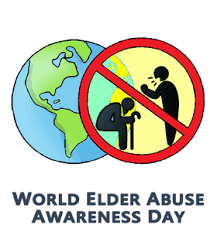 Protecting Vulnerable Generations and Harnessing
Abstract
This paper explores the intersection between social protection of older persons and environmental sustainability within the framework of sustainable development, using the global observances of World Elder Abuse Awareness Day and Global Wind Day, both marked on 15th June 2026 (Day 166/365), as analytical entry points. The main objective is to analyze how the protection of vulnerable older persons and the promotion of renewable energy contribute to sustainable development. Specifically, the study examines the causes and consequences of elder abuse, assesses the importance of social protection systems for older persons, analyzes the role of wind energy in environmental sustainability, explores the relationship between social welfare and environmental responsibility, and proposes integrated approaches to sustainable development. Methodologically, the paper adopts a qualitative and descriptive analytical approach based on literature review, conceptual analysis of elder protection frameworks and renewable energy policies, comparative reflection on social and environmental dimensions of development, and interpretive analysis of global observance themes. The main findings reveal that elder abuse remains a serious social problem linked to weak family structures, limited social protection mechanisms, and negative cultural attitudes toward ageing, resulting in isolation, neglect, discrimination, and restricted access to essential services for older persons. In contrast, wind energy is identified as a key driver of environmental sustainability, contributing to reduced environmental degradation and supporting global climate and energy goals. The study further finds that social sustainability and environmental sustainability are deeply interconnected, as both aim to protect life, dignity, and long-term well-being. It concludes that development must be understood holistically in both human and environmental terms, emphasizing that protecting older persons ensures social justice and intergenerational responsibility, while investing in wind energy promotes ecological balance and future sustainability. A truly developed society is therefore one that simultaneously safeguards vulnerable populations and preserves the environment for future generations, reflecting a unified principle of responsible and sustainable development.
Keywords: Elder rights, social welfare, sustainable development, renewable energy, wind energy, human dignity, environmental responsibility.
1. Introduction
Human development is not only measured by economic growth, technological advancement, or physical infrastructure. True development is reflected in the ability of societies to protect human dignity, promote social justice, and preserve the environment for future generations.
The 15th of June 2026 brings attention to two important themes. The first is World Elder Abuse Awareness Day, which focuses on preventing violence, neglect, discrimination, and exploitation against older persons. The second is Global Wind Day, which highlights the importance of renewable energy and the transition toward sustainable environmental practices.
Although these themes belong to different academic fields, they share a common foundation: responsibility. Protecting elderly people demonstrates responsibility toward those who contributed to society in the past, while investing in renewable energy demonstrates responsibility toward those who will inherit the world in the future.
2. World Elder Abuse Awareness Day: Protecting Human Dignity
World Elder Abuse Awareness Day, recognized internationally by the United Nations, reminds societies of their obligation to respect and protect older persons. Ageing is a natural process, and elderly people remain valuable members of communities through their knowledge, experience, cultural contributions, and social wisdom.
Older persons have contributed significantly to families, communities, and national development through their work, knowledge, culture, and experience. However, many elderly people face social, economic, and health-related challenges that affect their dignity, independence, and quality of life. Understanding these challenges is essential for developing effective social welfare interventions.
1. Social Isolation and Loneliness
Social isolation occurs when older persons have limited contact, communication, or participation in social activities. Loneliness refers to the emotional feeling of being disconnected, unwanted, or lacking meaningful relationships.
Causes of social isolation and loneliness among older persons:
- Loss of family members and friends: As people age, they may experience the loss of spouses, relatives, or lifelong friends, reducing their social networks.
- Retirement and reduced social roles: Leaving employment can decrease daily interactions and feelings of usefulness.
- Physical limitations: Mobility problems, illness, or disability may prevent older persons from participating in community activities.
- Migration of younger generations: In some communities, young family members move to cities or other countries for education or employment, leaving elderly relatives alone.
- Digital exclusion: Some older persons may have difficulties using modern communication technologies, limiting their connection with others.
Consequences:
- Increased feelings of sadness and abandonment.
- Reduced sense of belonging.
- Decline in mental and physical well-being.
- Increased vulnerability to neglect and abuse.
Social welfare response:
Communities can support older persons through social clubs, home visits, community programs, and activities that promote intergenerational relationships.
2. Neglect by Families or Institutions
Neglect occurs when the basic physical, emotional, medical, or social needs of older persons are not adequately met by caregivers, family members, institutions, or society at large. It may involve failing to provide food, shelter, hygiene, medication, emotional support, or protection from harm. This form of abuse is often silent and unintentional, but its consequences can be severe, leading to deterioration in health, dignity, and overall quality of life of older persons.
Forms of neglect:
a) Family neglect
Some elderly people may experience:
- Lack of emotional support and communication.
- Insufficient assistance with daily activities.
- Failure to provide adequate living conditions.
- Being excluded from family decisions.
b) Institutional neglect
Older persons living in care facilities or dependent on social services may face:
- Poor quality services.
- Lack of proper medical attention.
- Inadequate nutrition or living conditions.
- Lack of respect for their personal choices and dignity.
Causes:
- Economic difficulties within families.
- Lack of knowledge about elderly care.
- Changing family structures.
- Negative attitudes toward ageing.
Consequences:
Neglect can lead to:
- Loss of dignity and self-confidence.
- Poor health outcomes.
- Increased dependence.
- Emotional suffering.
Social welfare response:
Governments and communities should strengthen the protection of older persons through comprehensive social welfare policies that safeguard their rights and dignity. This includes developing and enforcing elderly protection laws, investing in caregiver education and training to improve the quality of care, and establishing effective monitoring and reporting systems to detect and respond to cases of neglect or abuse. Community-based support structures should also be promoted to ensure that older persons receive continuous physical, emotional, and social care within inclusive and supportive environments.
3. Economic Exploitation
Economic exploitation occurs when older persons are unfairly deprived of their financial resources, property, income, or assets.
Examples:
- Family members taking control of an elderly person’s money without consent.
- Fraud or financial scams targeting older persons.
- Pressure to transfer property or inheritance unfairly.
- Misuse of pension or social benefits.
Why older persons may be vulnerable:
- They may depend on others for financial management.
- They may lack knowledge about legal protection.
- They may fear reporting family members or caregivers.
- They may experience physical or cognitive limitations.
Consequences:
- Poverty and financial insecurity.
- Loss of independence.
- Inability to access healthcare or basic needs.
- Emotional distress and loss of trust.
Social welfare response:
Solutions include:
- Strong legal protection of elderly property rights.
- Financial education.
- Accessible social protection systems.
- Community awareness programs.
4. Discrimination Based on Age (Ageism)
Ageism refers to negative attitudes, stereotypes, or unfair treatment of people because of their age.
Examples of age discrimination:
- Believing that older people are unable to contribute to society.
- Excluding elderly persons from decision-making processes.
- Denying employment or opportunities because of age.
- Ignoring their opinions and experiences.
Causes:
- Cultural stereotypes about ageing.
- Lack of understanding about the abilities of older persons.
- Excessive focus on youth and productivity.
Consequences:
- Reduced participation of older persons in society.
- Loss of confidence and self-esteem.
- Increased social exclusion.
- Waste of valuable knowledge and experience.
Social welfare response:
Societies should promote:
- Respect for older persons.
- Recognition of their contributions.
- Inclusive policies.
- Positive images of ageing.
5. Limited Access to Social and Health Services
Many older persons face difficulties accessing essential services necessary for a healthy and secure life.
Health service challenges:
- High costs of medical treatment.
- Lack of specialized elderly healthcare.
- Distance from healthcare facilities.
- Limited availability of medicines and support services.
Social service challenges:
- Lack of pension or income support.
- Limited access to housing assistance.
- Insufficient community care programs.
- Lack of information about available services.
Causes:
- Weak social protection systems.
- Poverty among elderly populations.
- Rural isolation.
- Inadequate policies addressing ageing populations.
Consequences:
- Untreated health conditions.
- Increased dependency.
- Lower quality of life.
- Greater vulnerability to poverty and abuse.
Social welfare response:
Governments and organizations should strengthen:
- Universal access to healthcare.
- Social security programs.
- Community-based elderly care.
- Accessible information systems.
Conclusion
The challenges faced by older persons are not only personal difficulties but also social problems requiring collective responsibility. A society that respects elderly people recognizes their dignity, protects their rights, and values their contribution.
Protecting older persons requires cooperation among families, communities, governments, and social welfare institutions. The way a society treats its elderly population reflects its level of humanity, justice, and development.
“A generation that respects its elders builds a future where every stage of life is valued.” — Dr. Havugimana Alexis
Elder abuse is not merely an individual or family issue; it is a broader social problem that reflects the strength and effectiveness of a society’s values, institutions, and protection systems. When older persons experience neglect, exploitation, discrimination, or violence, it reveals weaknesses within family relationships, community support networks, and social welfare mechanisms.
Addressing elder abuse requires collective responsibility from families, communities, governments, and social institutions. Protecting older persons means recognizing their lifelong contributions, defending their rights, and ensuring that they continue to live with dignity, security, and respect.
A society that truly values humanity understands that every stage of life has importance. Ageing is not a loss of value but a continuation of human experience, wisdom, and contribution. Therefore, protecting older people is not only an act of compassion; it is a reflection of justice, social responsibility, and commitment to building an inclusive society where every person is respected and protected.
“The dignity of a society is measured by how it honors those who built its past and protects those who represent its future.”— Dr. Havugimana Alexis
3. The Role of Social Welfare in Elder Protection
Social welfare systems play an important role in ensuring that older persons live with security and respect. Effective approaches include:
3.1 Strengthening Family Responsibility
Families are often the first source of support for elderly people. Respect, communication, and care within families reduce vulnerability and promote social inclusion.
3.2 Developing Social Protection Policies
Governments and organizations should establish policies that support older persons through:
- Access to healthcare.
- Financial security.
- Community support programs.
- Protection of their rights.
3.3 Promoting Intergenerational Solidarity
Promoting intergenerational solidarity refers to strengthening cooperation, mutual respect, and meaningful interaction between younger and older generations within families, communities, and society as a whole. It is based on the understanding that every age group has unique strengths and contributions that are essential for sustainable social development.
Older persons play a vital role by sharing life experience, cultural heritage, historical memory, and practical wisdom that guide moral values and decision-making in society. Their knowledge can support families, institutions, and communities in solving social problems and maintaining social cohesion.
On the other hand, younger generations contribute energy, technological skills, creativity, and innovation that are crucial for adapting to modern social, economic, and environmental changes. When these strengths are combined, societies become more resilient, inclusive, and forward-looking.
A balanced society therefore recognizes that development is not achieved by one generation alone but through cooperation across age groups. Intergenerational solidarity can be strengthened through mentorship programs, community dialogues, family support systems, volunteering initiatives, and inclusive policies that encourage participation of both young and old in decision-making processes.
Ultimately, valuing every generation ensures dignity for older persons while empowering youth, creating a society built on respect, continuity, and shared responsibility.
4. Global Wind Day: Building a Sustainable Future
Global Wind Day highlights the importance of wind energy as a renewable source of power. As the world faces environmental challenges, renewable energy provides opportunities for cleaner development and improved energy security.
Wind energy contributes to:
- Reducing dependence on fossil fuels.
- Lowering environmental pollution.
- Supporting technological innovation.
- Creating economic opportunities.
- Strengthening sustainable development.
The transition toward renewable energy demonstrates that humanity has the ability to create solutions that protect both people and the planet.
5. Sustainable Energy and Future Generations
Environmental responsibility is closely connected to social responsibility. The decisions made today influence the quality of life of future generations.
Climate change, environmental degradation, and energy insecurity can increase social inequalities and affect vulnerable populations.
Therefore, sustainable energy policies should consider:
- Environmental protection.
- Equal access to energy.
- Community participation.
- Long-term economic benefits.
- Protection of future generations.
Development must not only answer the question: “What can we gain today?” but also ask: “What will we leave for tomorrow?”
6. Linking Elder Protection and Renewable Energy
At first glance, elder protection and wind energy appear unrelated. However, both represent a philosophy of responsible citizenship.
6.1 Respect for Life
Protecting older people recognizes the value of human life and experience. Developing renewable energy recognizes the value of the natural environment that sustains life.
6.2 Responsibility Across Generations
Elder care focuses on respecting previous generations, while sustainable energy focuses on protecting future generations.
6.3 Building Ethical Societies
A truly ethical society combines compassion for people with responsibility for nature.
7. Challenges Facing Developing Countries
Many developing countries face challenges in both areas.
Regarding elderly protection:
- Limited social welfare resources.
- Lack of awareness about elder rights.
- Weak support structures.
Regarding renewable energy:
- High investment costs.
- Limited technological capacity.
- Infrastructure challenges.
Addressing these challenges requires cooperation between governments, communities, academic institutions, and international organizations.
8. Recommendations
To create societies that protect both people and the environment, the following actions are recommended:
- Increase awareness about elder rights and prevention of abuse.
- Strengthen social welfare programs for older persons.
- Promote renewable energy education and investment.
- Encourage research on sustainable development solutions.
- Build cooperation between generations.
- Develop policies that combine social justice and environmental protection.
9. Conclusion
The 15th of June 2026, Day 166/365, is a meaningful reminder that human progress requires balance. A society must protect those who built its history while preparing a sustainable future for those who will come after.
World Elder Abuse Awareness Day teaches the importance of dignity, compassion, and respect for older persons. Global Wind Day teaches the importance of innovation, environmental responsibility, and sustainable development.
The future belongs to societies that understand that caring for people and caring for the planet are not separate responsibilities; they are two parts of the same mission.
“True development is measured not only by the wealth a society creates, but also by how it protects vulnerable people and preserves the world they will inherit.”
— Dr. Havugimana Alexis
- A society that protects its elders protects the memory of its own humanity.” — Dr. Havugimana Alexis
- “Elder dignity is not charity; it is justice delayed by ignorance and restored by awareness.” — Dr. Havugimana Alexis
- “When we silence the elderly, we silence the wisdom of history.” — Dr. Havugimana Alexis
- “Abuse of older persons is a fracture in the moral foundation of society.” — Dr. Havugimana Alexis
- “Respect for aging is the strongest indicator of a civilization’s maturity.” — Dr. Havugimana Alexis
- “Wind energy teaches us that invisible forces can power visible transformation; so does compassion.” — Dr. Havugimana Alexis
- “A sustainable future is built where human dignity and clean energy walk together.” — Dr. Havugimana Alexis
- “Neglecting the elderly is equivalent to disconnecting society from its roots.” — Dr. Havugimana Alexis
- “The wind does not discriminate; neither should development.” — Dr. Havugimana Alexis
- “Every abused elder represents a broken promise of intergenerational responsibility.” — Dr. Havugimana Alexis
- “Renewable energy is the voice of nature demanding respect, just as elders are the voice of time demanding dignity.” — Dr. Havugimana Alexis
- “True progress is measured by how well we protect both people and the planet.” — Dr. Havugimana Alexis
- “A society without respect for elders is a future without direction.” — Dr. Havugimana Alexis
- “Wind power and wisdom both rise silently but shape powerful change.” — Dr. Havugimana Alexis
- “Social justice begins where the elderly are treated as treasures, not burdens.” — Dr. Havugimana Alexis
- “To abuse an elder is to weaken the moral compass of generations.” — Dr. Havugimana Alexis
- “Sustainability is not only environmental; it is also the continuity of human dignity.” — Dr. Havugimana Alexis
- “The wind reminds us that invisible strength can transform the world; so can respect.” — Dr. Havugimana Alexis
- “A green future and a just society are two sides of the same ethical responsibility.” — Dr. Havugimana Alexis
- “Development becomes meaningful only when it protects the old and empowers the future.” — Dr. Havugimana Alexis
References
HelpAge International. (2020). Global ageing and older persons: Rights and protection report. https://www.helpage.org
International Renewable Energy Agency. (2023). Wind energy: A key to the energy transition. https://www.irena.org
Kalache, A., & Gatti, A. (2003). Active ageing: A policy framework. World Health Organization.
United Nations. (2002). Madrid International Plan of Action on Ageing. https://www.un.org
United Nations Department of Economic and Social Affairs. (2023). World Elder Abuse Awareness Day (15 June): Background and key issues. https://www.un.org
United Nations Environment Programme. (2022). Renewable energy and climate change mitigation. https://www.unep.org
World Bank. (2021). Energy and development: Sustainable energy for all. https://www.worldbank.org
World Health Organization. (2021). Elder abuse: Key facts. https://www.who.int
Global Wind Energy Council. (2024). Global wind report. https://gwec.net
European Commission. (2020). Ageing Europe: Looking at the lives of older people in the EU. https://ec.europa.eu