Abstract
The family is a fundamental social institution responsible for child socialization, emotional support, caregiving, economic cooperation, and the transmission of cultural values. Nevertheless, Rwandan families face socioeconomic and social challenges that may affect household welfare and family relationships. This paper examines major problems facing Rwandan families using secondary data from official national statistics and relevant demographic indicators. The study is guided by three objectives: to identify major socioeconomic challenges affecting Rwandan families; to examine demographic, health, and social conditions associated with family well-being; and to propose evidence-informed strategies for strengthening families. A qualitative, descriptive research design based on documentary analysis was adopted. Sources include NISR’s EICV7 2023/24, the 2025 Rwanda Demographic and Health Survey, national gender statistics, and civil registration reports.
The findings indicate that poverty, multidimensional deprivation, teenage pregnancy, housing conditions, gender-related inequalities, and family transitions are important areas for policy attention. EICV7 reported a monetary poverty rate of 27.4% in 2023/24 under its updated methodology, while multidimensional poverty affected 30.5% of the population, with a substantially higher incidence in rural areas (36.7%) than in urban areas (14.8%). The 2025 RDHS reported that 8% of girls and women aged 15–19 had ever been pregnant. Civil registration data for 2025 recorded 4,479 divorce cases, of which 2,629 were granted by courts during that year. These indicators demonstrate significant social and economic pressures, but they do not independently establish the causes of marital conflict or family breakdown. The paper concludes that family strengthening requires coordinated interventions in poverty reduction, parenting support, child protection, gender equality, reproductive health, psychosocial services, and community solidarity.
Keywords: Rwandan families, family problems, poverty, gender inequality, teenage pregnancy, family stability, secondary data, social development.
1. Introduction
1.1 Background of the study
The family is widely recognized as a central institution in society. It provides a setting in which children learn social norms, individuals receive emotional support, and members share resources and responsibilities. Families also contribute to the preservation of cultural identity, the development of human capital, and the broader socioeconomic development of communities.
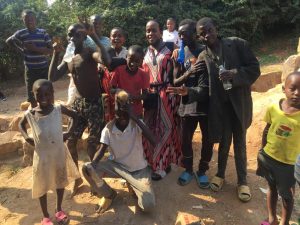
In Rwanda, family relationships are shaped by cultural traditions, religious and community institutions, changing economic conditions, urbanization, education, employment, and public policy. Extended-family networks and community solidarity can provide important sources of support, although the availability of such support differs between households.
Economic development has created new opportunities for Rwandan households, including improvements in education, health coverage, infrastructure, and access to services. At the same time, persistent poverty and unequal living conditions mean that not all households benefit equally from these changes.
The National Institute of Statistics of Rwanda’s Integrated Household Living Conditions Survey 7 (EICV7), conducted from October 2023 to October 2024, provides recent evidence on poverty, employment, education, housing, health, and household living conditions. Under the updated poverty measurement methodology, the national monetary poverty rate was estimated at 27.4% in 2023/24. The same report indicates that poverty would have been 39.8% in 2017 had the updated methodology been applied to that period.
These findings provide an important context for examining family welfare. Limited income may constrain access to nutritious food, adequate housing, education, and healthcare. Nevertheless, poverty should not be treated as a complete explanation for family conflict, domestic violence, or divorce, which may involve multiple interacting factors.
Demographic and health conditions are also relevant. The 2025 Rwanda Demographic and Health Survey (RDHS), implemented by NISR in collaboration with the Ministry of Health, provides evidence on fertility, reproductive health, maternal and child health, women’s empowerment, and domestic violence. Its preliminary key indicators report found that 8% of women aged 15–19 had ever been pregnant.
Furthermore, civil registration records help describe changes in formal marriage and divorce. NISR’s 2025 Vital Statistics Report recorded 50,256 registered marriages and 4,479 divorce cases in 2025. Of the recorded divorce cases, 2,629 were granted by courts during the year.
These statistics demonstrate the importance of studying family well-being through reliable empirical evidence rather than relying exclusively on assumptions, personal observations, or generalizations about contemporary society.
1.2 Problem statement
Despite Rwanda’s development progress, socioeconomic deprivation and certain demographic and social challenges remain relevant to family well-being. Household poverty, inadequate housing, unequal access to opportunities, reproductive health challenges, caregiving pressures, and relationship difficulties may affect families’ capacity to provide stable and supportive environments for their members.
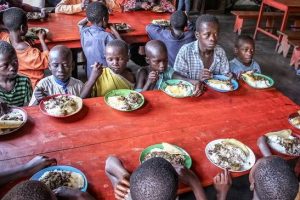
However, the concept of family problems encompasses several distinct phenomena. Household poverty is an economic indicator; teenage pregnancy is a demographic and reproductive health indicator; divorce is a legal and demographic event; and domestic violence is a safety and human rights concern. These indicators are related to family life, but they should not be treated as interchangeable measures of family dysfunction.
A further problem is that general discussions of Rwandan families often identify challenges without distinguishing between verified national statistics, possible explanations, and claims requiring additional empirical research. Without this distinction, policy recommendations may be based on assumptions rather than evidence.
The central problem addressed by this study is therefore the need for an evidence-based analysis of socioeconomic, demographic, and social conditions that may challenge family well-being in Rwanda. The study uses available secondary data to identify important patterns, interpret their implications, recognize limitations in the evidence, and propose practical interventions.
1.3 Research questions
The study is guided by three questions:
- What major socioeconomic challenges affect the well-being of Rwandan families?
- What demographic, health, and social indicators reveal challenges or changing conditions relevant to family well-being in Rwanda?
- What evidence-informed strategies could strengthen family stability, protection, and welfare in Rwanda?
1.4 Research objectives
1.4.1 General objective
To examine the major problems facing Rwandan families through an analysis of secondary statistical and documentary evidence and to propose strategies for improving family well-being.
1.4.2 Specific objectives
- To identify and analyze the major socioeconomic challenges affecting Rwandan families, particularly poverty, employment, housing, and material deprivation.
- To examine demographic, health, and social conditions associated with family well-being, including teenage pregnancy, gender-related inequalities, and registered divorce.
- To propose evidence-informed strategies for strengthening Rwandan families through social protection, parenting support, child protection, health services, and community-based interventions.
1.5 Significance of the study
The study may be useful to policymakers, social workers, researchers, educators, local authorities, civil society organizations, and community leaders. By bringing together national indicators from different official sources, it offers a framework for understanding the conditions affecting family well-being.
It also supports academic discussion by distinguishing observed statistical patterns from causal explanations. This is important when designing family policies that address socioeconomic needs without stigmatizing poor households, young parents, divorced individuals, or families experiencing other challenges.
2. Literature review
2.1 Conceptualizing the family and family problems
A family can be understood as a social unit whose members are connected through kinship, marriage, partnership, adoption, or other socially recognized caregiving relationships. Family structures vary across societies and over time. Families may include nuclear households, extended-family arrangements, single-parent households, blended families, and other caregiving configurations.
Family problems refer to circumstances that undermine, or potentially undermine, the safety, welfare, relationships, or capacity of family members to meet their needs. These problems may be economic, social, psychological, demographic, or institutional.
For this study, family well-being is considered through four connected dimensions:
- Economic well-being: adequate income, employment, food, housing, and material security.
- Relational well-being: communication, mutual respect, caregiving, and peaceful management of disagreements.
- Health and protection: physical and mental health, reproductive health, child protection, and freedom from violence.
- Social support: access to extended-family assistance, community resources, education, and public services.
2. Major Problems Facing Rwandan Families
2.1. Poverty and Economic Hardship
Poverty is one of the major challenges facing many families in Rwanda. Some households struggle to afford adequate food, housing, healthcare, education, and other basic necessities.
Economic hardship can create tension between spouses, limit children’s educational opportunities, and increase the risk of family instability. Families that depend on irregular income or subsistence agriculture may be particularly vulnerable to economic shocks.
Possible solutions: Promoting employment, vocational training, financial literacy, savings groups, and income-generating activities can help families improve their economic security.
2.2. Unemployment and Underemployment
Unemployment, particularly among young adults, can delay marriage, family formation, and independent living. Underemployment may also leave individuals earning insufficient income to meet household needs.
When one or both parents cannot secure stable employment, family responsibilities may become difficult to manage, sometimes contributing to frustration, dependency, and conflict.
2.3. Domestic Violence
Domestic violence is a serious problem that can take physical, psychological, sexual, or economic forms. It may occur between spouses or affect children and other household members.
Violence creates fear, damages trust, harms children’s development, and undermines the safety and dignity of family members. Both prevention and appropriate responses are necessary.
Possible solutions: Strengthening awareness of family rights, providing confidential support services, enforcing relevant laws, and promoting peaceful conflict resolution can help prevent domestic violence.
2.4. Marital Conflicts and Divorce

Marital conflicts may arise from financial difficulties, infidelity, poor communication, unequal sharing of responsibilities, mistrust, or disagreements about child-rearing.
When conflicts remain unresolved, they can lead to separation or divorce. Children may experience emotional distress, uncertainty, or difficulties adjusting to changes in family life.
Divorce does not automatically mean that a family has failed; the key concerns are safety, responsible parenting, and the well-being of children and adults.
2.5. Child Neglect and Inadequate Parenting
Children require food, shelter, education, healthcare, protection, affection, and guidance. However, some children experience neglect when caregivers cannot or do not adequately meet these needs.
Neglect may be associated with poverty, parental absence, substance misuse, family conflict, or limited parenting support. Its effects can include poor school performance, emotional difficulties, and increased vulnerability to exploitation.
2.6. Teenage Pregnancy and Early Parenthood
Teenage pregnancy can create significant challenges for young parents, their children, and their extended families. Young parents may face interrupted education, limited employment opportunities, financial dependence, and social stigma.
Prevention requires age-appropriate reproductive health education, protection from sexual exploitation and abuse, access to appropriate health services, and support that enables pregnant teenagers and young parents to continue their education.
2.7. Alcohol and Drug Abuse
Alcohol misuse and the use of other harmful substances can negatively affect family relationships. Substance abuse may contribute to financial difficulties, neglect of responsibilities, arguments, violence, and health problems.
When household income is spent excessively on alcohol or other substances, families may struggle to pay school fees, buy food, or meet healthcare expenses.
Possible solutions: Community awareness, counseling, accessible treatment services, and family support programs can help address substance-related problems.
2.8. Family Separation and Parental Absence
Some Rwandan families experience separation because of migration, employment opportunities, marital breakdown, or other circumstances. Parents who work far from home may have limited opportunities to participate in their children’s daily lives.
Although migration can improve household income, prolonged separation may weaken emotional connections when communication and caregiving arrangements are inadequate.
2.9. Orphanhood and Vulnerable Children
Some children grow up without one or both parents because of death, abandonment, or other circumstances. They may depend on relatives, guardians, or community support.
Such children can face emotional difficulties, financial hardship, discrimination, and barriers to education or healthcare. Their well-being depends on adequate protection, stable caregiving, and access to essential services.
2.10. Gender Inequality
Gender inequality can affect decision-making, access to resources, employment opportunities, and the distribution of domestic responsibilities within families.
Women may experience disproportionate responsibility for childcare and household work, while some men may face social expectations to be the sole financial providers. These pressures can create stress and conflict.
Possible solutions: Promoting equal opportunities, shared parenting responsibilities, mutual respect, and joint household decision-making can strengthen family relationships.
2.11. Intergenerational Conflicts
Conflicts sometimes occur between parents and children because of differences in values, beliefs, lifestyles, education, and expectations.
Parents may emphasize traditional cultural values, while young people may prefer modern lifestyles influenced by education, social media, and global culture.
These differences can lead to misunderstandings when family members do not listen to one another.
2.12. Technology and Social Media
Mobile phones, social media, and digital entertainment have transformed communication within Rwandan families. Although these technologies provide educational and economic opportunities, excessive or inappropriate use can reduce face-to-face interaction.
Online harassment, exposure to harmful content, misinformation, and digital financial scams can also affect family well-being.
Families can address these challenges through digital literacy, parental guidance, responsible technology use, and regular family interaction.
2.13. Housing Problems and Overcrowding
Some households face difficulties accessing adequate, safe, and affordable housing. Overcrowding can reduce privacy, increase household stress, and create challenges for children who need quiet spaces to study.
Poor housing conditions may also expose family members to health and environmental risks.
Improving affordable housing, sanitation, and access to essential infrastructure can contribute to healthier family environments.
2.14. Mental Health Problems and Emotional Stress
Financial pressure, unemployment, bereavement, relationship difficulties, and other life experiences can contribute to emotional distress among family members.
When mental health difficulties are misunderstood or stigmatized, individuals may hesitate to seek assistance. This can affect communication, parenting, and family stability.
Counseling, supportive relationships, community awareness, and access to appropriate mental health services are important responses.
2.15. Poor Communication Within Families
Effective communication allows family members to express their concerns, share expectations, and resolve disagreements peacefully.
However, some families experience communication problems because of secrecy, mistrust, harsh language, lack of time, or unwillingness to listen.
Poor communication can intensify minor disagreements and prevent family members from finding solutions to their problems.
2.16. Financial Mismanagement and Debt
Even when families earn an income, poor budgeting, excessive borrowing, unplanned spending, and disagreements over money can create serious problems.
Financial difficulties may become more severe when households lack savings or face unexpected expenses such as illness, school costs, or property damage.
Financial planning, transparent household budgeting, and responsible borrowing can reduce these risks.
2.17. Infidelity and Loss of Trust
Infidelity may damage trust between spouses and create emotional distress, conflict, and uncertainty about the future of a relationship.
The consequences can extend to children and other family members, especially when disagreements become prolonged or hostile.
Honest communication, mutual respect, clear relationship expectations, and professional counseling where appropriate may help couples address relationship difficulties.
2.18. Cultural Change and Weakening Family Support Networks
Traditional Rwandan society has long valued extended-family relationships, community solidarity, and mutual assistance. However, urbanization, migration, changing employment patterns, and evolving lifestyles can alter how families maintain these relationships.
Some households may have fewer relatives nearby to help with childcare, financial emergencies, or caring for older family members.
Cultural change is not necessarily harmful, but maintaining positive traditions of solidarity alongside modern social and economic opportunities can strengthen families.
2.19. Inadequate Care for Older Persons
Older persons may experience loneliness, social isolation, financial insecurity, or inadequate care, particularly when relatives live far away or face economic difficulties themselves.
As family structures change, caregiving responsibilities may become more demanding.
Strengthening community support, improving access to healthcare and social protection, and encouraging intergenerational relationships can help older persons maintain dignity and well-being.
2.20. The Effects of Historical Trauma
Rwanda’s 1994 Genocide against the Tutsi had devastating consequences for families, including loss of relatives, separation, displacement, and lasting psychological trauma.
Some survivors and affected families continue to navigate grief, intergenerational experiences of trauma, and the challenge of rebuilding relationships.
It is important not to assume that all Rwandan families experience these difficulties in the same way. Access to appropriate psychosocial support, remembrance, community solidarity, and opportunities for healing can contribute to family well-being.
3. Sociological Perspectives on Problems Facing Rwandan Families
Sociology offers several theoretical approaches to understanding why family problems occur and how they affect society.
| Sociological perspective | Explanation | Application to Rwandan families |
| Functionalism | Families perform essential functions for society. | Family instability may disrupt socialization, caregiving, and emotional support. |
| Conflict theory | Inequality and competition over resources can create conflict. | Poverty, unequal power, and disputes over household resources may create tension. |
| Feminist theory | Gender relations and unequal responsibilities shape family experiences. | Unequal domestic work and gender-based violence can undermine family well-being. |
| Symbolic interactionism | Everyday interactions and shared meanings shape relationships. | Miscommunication, mistrust, and differing expectations may cause family conflicts. |
| Social learning theory | People can learn behaviors by observing others. | Children exposed to violence may learn harmful conflict-resolution patterns, although this outcome is not inevitable. |
4. Consequences of Family Problems
Problems affecting Rwandan families can have consequences at both individual and societal levels.
- Poor child development: Children may experience emotional distress, inadequate care, or difficulties at school.
- Educational challenges: Financial hardship and family conflict may interrupt learning or reduce school participation.
- Health problems: Violence, stress, neglect, and inadequate nutrition can affect physical and mental health.
- Economic insecurity: Debt, unemployment, and family disputes may reduce household productivity and savings.
- Social instability: Persistent family problems can weaken trust, caregiving networks, and community relationships.
- Intergenerational effects: Some harmful experiences, including trauma and patterns of violence, may affect later generations if appropriate support is unavailable.
- Reduced well-being: Family members may experience loneliness, insecurity, fear, or diminished quality of life.
These outcomes are not inevitable. Supportive relationships, effective interventions, and access to resources can help families overcome many difficulties.
5. Strategies for Solving Problems Facing Rwandan Families
1. Strengthen family communication
Encourage respectful dialogue, active listening, shared decision-making, and peaceful conflict resolution among parents and children.
2. Improve economic opportunities
Expand access to vocational training, decent employment, entrepreneurship, savings initiatives, and agricultural development.
3. Promote responsible parenting
Provide parenting education on child protection, discipline without violence, adolescent development, and emotional support.
4. Improve access to social and health services
Strengthen access to healthcare, mental health support, social protection, family counseling, and services for survivors of violence.
5. Strengthen community solidarity
Encourage positive extended-family relationships, community support networks, cooperative initiatives, and assistance for vulnerable households.
Additional strategies include:
- Enforcing laws that protect children and prevent domestic violence.
- Promoting gender equality and shared household responsibilities.
- Supporting teenagers to remain in school and access appropriate health education.
- Encouraging responsible use of digital technology.
- Expanding affordable housing and essential public services.
- Providing appropriate support for survivors of trauma and vulnerable older persons.
- Strengthening collaboration among families, schools, local authorities, civil society organizations, and faith communities.
6. Conclusion
Rwandan families are essential to social cohesion, human development, cultural continuity, and national progress. Nevertheless, poverty, unemployment, domestic violence, marital conflict, inadequate parenting, gender inequality, substance abuse, and changing social conditions can threaten family well-being.
These challenges should not be understood solely as individual failures. Many arise from the interaction between household circumstances, economic conditions, cultural expectations, social institutions, and public policy.
Addressing them requires cooperation among family members, government institutions, educational establishments, community organizations, and other stakeholders.
Ultimately, a strong family is not necessarily a family without problems; it is a family that can address its problems through respect, responsibility, mutual support, and peaceful solutions. Strengthening Rwandan families is therefore an important investment in the well-being of children, the stability of communities, and the sustainable development of Rwanda.
7. Discussion Questions
- Identify and explain ten major problems facing Rwandan families.
- Discuss five causes of marital conflict in Rwanda.
- Explain how poverty affects family stability and child development.
- Discuss the effects of domestic violence on children and other family members.
- How has technology changed relationships within Rwandan families?
- Explain five sociological perspectives that can be used to study family problems.
- Suggest practical measures that the Government of Rwanda and local communities can adopt to strengthen families.
These dimensions are interconnected, but the presence of difficulty in one area does not necessarily mean that a family is dysfunctional in every other area.
2.2 Empirical literature on poverty and family welfare in Rwanda
Poverty is a relevant determinant of household living conditions because income influences the ability to obtain essential goods and services. NISR’s EICV7 provides evidence on monetary poverty, multidimensional poverty, education, employment, housing, and access to basic services. The report estimated monetary poverty at 27.4% in 2023/24 under the updated methodology.
Monetary poverty does not capture every dimension of deprivation. The EICV7 multidimensional poverty report found that 30.5% of Rwanda’s population experienced multidimensional poverty. The incidence was 36.7% in rural areas compared with 14.8% in urban areas. The report identifies cooking fuel and housing materials among the leading measured deprivations.
These indicators suggest that economic disadvantage and inadequate living conditions remain relevant to household welfare. They do not, by themselves, establish that poverty causes domestic violence, divorce, or poor parenting. Instead, they identify areas in which families may require additional resources and social protection.
2.3 Employment, gender and household responsibilities
Employment provides income and can support household independence. However, the type, security, and remuneration of work are also important. EICV7 reported that approximately 6.564 million people were working and that 61.6% of workers were employed in agriculture as their main work. It also reported differences between men and women in occupational patterns.
These findings matter for family studies because many households depend on agricultural activities and other forms of work whose income may fluctuate. The consequences for a particular family depend on earnings, household size, assets, access to services, and other circumstances.
The National Gender Statistics Report 2024 provides sex-disaggregated information across employment, education, income, time use, health, and other areas. Such information is useful for examining the distribution of opportunities and responsibilities between women and men.
Gender inequality within families should consequently be investigated through evidence on decision-making, unpaid care work, resource access, and exposure to violence, rather than inferred from national gender indicators alone.
2.4 Demographic change and reproductive health
Fertility patterns, family planning, and adolescent pregnancy influence family formation and caregiving needs. NISR’s 2025 RDHS reported a total fertility rate of 3.7 children per woman, compared with 4.1 in 2020. It also reported that 8% of women aged 15–19 had ever been pregnant.
These figures indicate changes in fertility and continuing adolescent reproductive health needs. Teenage pregnancy may create additional challenges when young parents lack adequate financial resources, childcare, educational support, or access to appropriate health services.
Nevertheless, pregnancy during adolescence does not necessarily result in family breakdown. Outcomes depend on the circumstances of the young person, family support, educational opportunities, health services, and wider social conditions.
2.5 Marriage, divorce and family transitions
1. Marriage
Definition: Marriage is a socially and legally recognized union between two people that establishes rights, responsibilities, and obligations between the partners and often creates relationships between their families. Marriage is an important social institution because it regulates intimate relationships, childbearing, inheritance, family responsibilities, and the socialization of children. However, the meaning and legal recognition of marriage vary across cultures, religions, and societies.
Types of Marriage: There are several types of marriage. Monogamy is a marriage between two people at a time. Polygamy is a marriage involving more than two spouses and includes polygyny, in which one man has multiple wives, and polyandry, in which one woman has multiple husbands. Endogamy refers to marriage within a particular social group, religion, ethnic group, or community, while exogamy refers to marriage outside a specified group. Arranged marriage occurs when families or other individuals help select a partner, although the degree of personal choice varies. Civil marriage is legally registered by the state, whereas religious marriage is conducted according to the rules of a religious tradition; in some societies, one ceremony may satisfy both requirements.
Characteristics of Marriage: Marriage is generally characterized by social recognition, mutual commitment, rights and responsibilities, emotional relationships, and expectations of cooperation between partners. It may involve shared property, economic support, sexual exclusivity, childbearing, and child-rearing, depending on the couple’s values and cultural expectations. Marriage is also regulated by social norms, religious beliefs, and legal rules concerning consent, age, inheritance, and dissolution. However, not every marriage involves children, shared finances, or the same division of household responsibilities.
Social Perspectives on Marriage: From the functionalist perspective, marriage contributes to social stability by organizing family life, child socialization, economic cooperation, and the transmission of cultural values. From the conflict perspective, marriage may reflect inequalities in wealth, property, and power, particularly where one partner controls household resources or decision-making. From the feminist perspective, marriage can reproduce gender inequalities when domestic work and caregiving are distributed unfairly, although relationships can also promote equality and mutual support. From the symbolic interactionist perspective, marriage is understood through everyday interactions, communication, shared meanings, and the roles partners negotiate. These perspectives demonstrate that marriage can provide companionship, security, and social support while also creating challenges related to power, expectations, and conflict.
2. Divorce
Definition: Divorce is the legal termination of a marriage by a competent court or other legally authorized process, allowing the former spouses to end their marital relationship. Divorce may involve decisions concerning property division, financial support, child custody, and parental responsibilities. It differs from separation because separation may involve spouses living apart without legally ending their marriage. Divorce can result from persistent conflict, domestic violence, infidelity, financial difficulties, incompatibility, lack of communication, or changes in personal expectations. However, the reasons for divorce differ from one couple and society to another.
Types of Divorce: Contested divorce occurs when spouses disagree over one or more issues, such as property, financial support, or child custody. Uncontested divorce occurs when both spouses agree on the major terms of ending the marriage. No-fault divorce allows a marriage to be dissolved without requiring one spouse to prove that the other committed wrongdoing, where such a legal system applies. Fault-based divorce requires legally recognized grounds, such as adultery or cruelty, in jurisdictions that retain this system. Legal separation is not itself a divorce but allows spouses to live separately while remaining legally married. In sociological discussions, researchers may also distinguish between divorce initiated by one spouse and divorce mutually agreed upon by both spouses.
Characteristics of Divorce: Divorce is characterized by the formal ending of the marital relationship and the reorganization of the former spouses’ legal, economic, emotional, and social lives. It may involve changes in residence, household income, parenting arrangements, social networks, and relationships with extended family members. Divorce can produce stress, grief, loneliness, and financial hardship, particularly when conflict continues after separation. It may also provide relief and greater safety for people leaving abusive or highly conflictual relationships. Its effects depend on factors such as economic resources, social support, the level of conflict, and the arrangements made for children.
Social Perspectives on Divorce: From the functionalist perspective, divorce may indicate difficulties in maintaining family stability, but it can also provide a way to end a marriage that no longer performs its expected functions. From the conflict perspective, divorce may be influenced by inequalities in wealth, access to legal services, and bargaining power between spouses. From the feminist perspective, divorce can allow individuals, particularly those experiencing gender-based oppression or abuse, to leave unequal relationships, although women may face disproportionate financial and caregiving burdens afterward. From the symbolic interactionist perspective, divorce involves changes in identity, social roles, communication, and the meanings individuals attach to marriage and family. These perspectives show that divorce is not simply a personal event; it is also shaped by social norms, economic conditions, gender relations, and legal institutions.
3. Family Transitions
Definition: Family transitions are changes in the structure, roles, relationships, or circumstances of a family over time. These changes may occur as families develop, experience major life events, or adapt to social and economic conditions. Family transitions can include marriage, childbirth, adoption, divorce, remarriage, children leaving home, retirement, migration, unemployment, illness, and the death of a family member. Some transitions are planned and expected, while others occur unexpectedly. Family transitions are important because they require family members to adjust their responsibilities, relationships, resources, and expectations.
Types of Family Transitions: Formation transitions occur when individuals establish a new family through marriage, cohabitation, or partnership. Expansion transitions occur when a family grows through childbirth, adoption, or the arrival of other dependants. Reduction transitions occur when household membership decreases because of death, divorce, or children leaving home. Structural transitions involve changes in family composition, such as becoming a single-parent family, a blended family, or a household headed by grandparents. Developmental transitions occur as children move through childhood, adolescence, adulthood, and independence, requiring changes in parenting and family responsibilities. Economic and social transitions include unemployment, migration, retirement, or changes in income that affect family stability and daily life.
Characteristics of Family Transitions: Family transitions involve change, adjustment, and the redistribution of responsibilities among family members. They may affect household income, emotional well-being, parenting practices, communication, living arrangements, and relationships with relatives. Transitions can be gradual or sudden, temporary or permanent, and positive or difficult depending on the circumstances. For example, the birth of a child may bring happiness but also increase financial and caregiving responsibilities, while retirement may provide more leisure time but reduce household income. Family members often require communication, flexibility, emotional support, and access to resources to manage these changes successfully.
Social Perspectives on Family Transitions: From the functionalist perspective, family transitions are changes that require family members to adjust their roles so that the family can continue performing functions such as socialization, care, and emotional support. From the conflict perspective, transitions may expose inequalities in the distribution of income, property, power, and household responsibilities. From the feminist perspective, family transitions are examined in terms of how gender expectations influence caregiving, paid employment, and decision-making. For example, the birth of a child may affect women’s and men’s careers differently where childcare responsibilities are unequal. From the symbolic interactionist perspective, family transitions are understood through changing identities, meanings, expectations, and everyday interactions. The life-course perspective emphasizes that transitions are connected to age, historical circumstances, timing, and the sequence of events in an individual’s life. Together, these perspectives explain why families respond differently to similar life events.
Marriage, divorce, and family transitions are interconnected social phenomena that influence family relationships, individual well-being, and society as a whole. Marriage establishes a recognized partnership, divorce formally ends that partnership, and family transitions describe the broader changes families experience throughout their lives. Their outcomes are influenced by culture, economic resources, gender relations, legal systems, social support, and individual circumstances. Understanding these processes through sociological perspectives helps explain both the opportunities and challenges families encounter in modern society.
Marriage and divorce statistics provide information about formal family transitions. NISR’s Vital Statistics Report 2025 recorded 50,256 registered marriages and 4,479 divorce cases. Of the divorce cases recorded, 2,629 were granted by courts in 2025.
These data are useful for describing registered legal events. However, the number of marriages registered during a year cannot be directly compared with the number of divorces in that same year to calculate the probability that a marriage will end in divorce. The cases do not necessarily concern the same couples or marriage cohorts, and legal registration may not capture every informal separation or union.
Divorce should also be understood in context. Some separations may follow serious relationship difficulties or violence, and separation may sometimes be necessary for personal safety. A responsible analysis must therefore consider the welfare of adults and children rather than treating every divorce as evidence of social failure.
2.6 Theoretical perspectives
Three theoretical perspectives provide a useful framework for interpreting the evidence.
Functionalist perspective. Functionalism emphasizes the roles families play in socialization, caregiving, emotional support, and social continuity. From this perspective, severe material deprivation or inadequate support services may make it more difficult for households to fulfil these roles. However, families can adapt in different ways, and alternative household structures can also provide effective care.
Conflict theory. Conflict theory examines how unequal access to resources and power can generate tensions within social institutions. Applied to Rwanda, it directs attention to economic inequality, employment opportunities, household decision-making, and unequal control over assets. It does not assume that all households experiencing poverty necessarily experience conflict.
Feminist theory. Feminist theory examines how gender norms, unequal responsibilities, and power relations shape family experiences. It provides a framework for studying unpaid care work, unequal access to resources, gender-based violence, and the distribution of decision-making authority.
Together, these perspectives help explain why family well-being should be studied as the outcome of interactions between household relationships and broader social and economic conditions.
3. Research methodology
3.1 Research design
The study adopted a qualitative descriptive research design based on secondary-data analysis. This design was appropriate because the research sought to identify and interpret existing evidence on socioeconomic, demographic, and social conditions relevant to Rwandan family well-being rather than collect new data from households.
The approach combined documentary analysis with descriptive interpretation of published national statistics. Quantitative indicators were used to describe the magnitude and distribution of selected social conditions, while qualitative analysis was used to interpret their implications for families.
3.2 Sources of secondary data
The study relied primarily on publicly available reports from official statistical and development institutions.
| Source | Data used | Relevance to the study |
| NISR, EICV7 2023/24 | Monetary poverty, multidimensional poverty, employment, housing, education and basic services | Objective 1: socioeconomic challenges |
| NISR, RDHS 2025 | Fertility, teenage pregnancy, reproductive health and women’s empowerment | Objective 2: demographic and health conditions |
| NISR, National Gender Statistics Report 2024 | Gender-disaggregated indicators, employment, education, income and time use | Objectives 1 and 2 |
| NISR, Vital Statistics Report 2025 | Registered marriages and divorce cases | Objective 2: family transitions |
| Relevant sociological literature | Functionalism, conflict theory and feminist theory | Interpretation of findings and recommendations |
The reports were selected because they provide nationally relevant indicators and document their sources. EICV7 covered the period October 2023 to October 2024, while RDHS 2025 provides more recent demographic and health evidence.
3.3 Data collection procedure
Documentary data were collected through a targeted review of official NISR publications and related institutional resources. The review focused on indicators relevant to the three specific objectives.
The procedure involved:
- Identifying official reports addressing household welfare, poverty, employment, gender, reproductive health, and family transitions.
- Extracting published statistics relevant to the research questions.
- Recording the year, population or indicator covered, and source of each statistic.
- Comparing findings across reports while accounting for differences in measurement and reference periods.
- Interpreting the findings using the selected sociological perspectives.
3.4 Data analysis
The study used thematic analysis and descriptive statistical interpretation.
Thematic analysis organized the evidence into three principal themes:
- Socioeconomic challenges affecting households.
- Demographic, health, and social conditions associated with family well-being.
- Strategies for strengthening families and improving social protection.
Descriptive analysis presented the reported percentages and counts, including rural–urban differences where available. The analysis did not calculate new national prevalence estimates from raw microdata, conduct statistical significance tests, or estimate causal relationships.
3.5 Reliability and validity
Reliability was supported by prioritizing published official statistics and identifying the source of each major indicator. Validity was strengthened by distinguishing household-level, individual-level, and administrative indicators.
For example, the monetary poverty rate is a population-level measure, teenage pregnancy statistics refer to a defined age group, and registered divorce cases are administrative counts. These indicators cannot be combined into a single measure of family dysfunction.
Where methodologies differ between survey rounds, the analysis retains the definitions and qualifications provided by the reporting institution.
3.6 Ethical considerations
The study used aggregate, publicly available secondary data and did not collect identifiable information from individuals. No human participants were recruited, and no private family records were examined.
The paper seeks to avoid stigmatizing vulnerable households or individuals. Poverty, teenage pregnancy, divorce, and other social conditions are treated as subjects for social analysis rather than evidence of personal or moral failure.
3.7 Methodological limitations
Several limitations should be acknowledged.
First, the study is based on published secondary sources rather than original interviews or household observations. It therefore cannot directly establish how individual Rwandan families experience or interpret these problems.
Second, the reports cover different periods, populations, and indicators. Their figures should not be treated as if they were collected from the same sample.
Third, administrative divorce statistics reflect registered legal cases and court outcomes, not necessarily all separations or relationship difficulties.
Fourth, national indicators can conceal differences by district, age, household composition, disability, income, and other characteristics.
Finally, the study does not establish causal relationships between poverty, teenage pregnancy, gender inequality, divorce, or domestic violence. Such relationships require appropriately designed empirical studies.
4. Findings and discussion
This section presents the findings in relation to the three specific objectives. Each finding is supported by the available secondary data, followed by a discussion of its implications.
4.1 Objective one: To identify and analyze socioeconomic challenges affecting Rwandan families
4.1.1 Monetary poverty
The EICV7 Main Indicators Report estimated that 27.4% of Rwanda’s population was living in monetary poverty in 2023/24, using the updated methodology. The report estimates that the poverty rate would have been 39.8% in 2017 under the same updated methodology, indicating a decline of 12.4 percentage points. Approximately 1.5 million people were estimated to have moved out of poverty between 2017 and 2024. National monetary poverty, updated methodology 39.8% 2017 estimate 27.4% 2023/24 estimate.
Source: NISR, EICV7. The 2017 figure is a modelled estimate using the updated methodology, not the original published poverty rate under the earlier method.
Discussion. The evidence indicates substantial progress in poverty reduction while showing that a considerable proportion of the population remains economically vulnerable. Poverty can limit a household’s capacity to meet food, housing, healthcare, and educational needs. It may also increase the pressure placed on caregivers when household resources are insufficient.
However, the statistic does not mean that 27.4% of families experience marital conflict or that poverty necessarily produces family instability. It measures monetary poverty among people, not the prevalence of family relationship problems. A household-level analysis would be required to examine how poverty interacts with family size, employment, caregiving, and relationship outcomes.
4.1.2 Multidimensional poverty and rural–urban differences
EICV7’s multidimensional poverty analysis found that 30.5% of the population experienced multidimensional poverty. The incidence was higher in rural areas, at 36.7%, than in urban areas, at 14.8%. The report identified deprivation in cooking fuel, housing materials, drinking water, and health insurance among the relevant indicators.National Institute of Statistics of Rwanda,Multidimensional poverty incidence in Rwanda, 2023/24
Percentage of the population classified as multidimensionally poor.
Source: NISR, EICV7 Multidimensional Poverty Report.
Discussion. These findings indicate that household well-being involves more than income alone. Families may face overlapping disadvantages in housing, access to services, and other basic living conditions.
The difference between rural and urban areas is particularly important for policy planning. Rural households may require interventions tailored to agricultural livelihoods, access to infrastructure, and basic services, while urban households may face different pressures related to housing costs, rental arrangements, and employment.
Nevertheless, rural–urban differences should not be interpreted as evidence that rural family relationships are necessarily worse. The data measure multidimensional poverty, not the quality of family relationships.
4.1.3 Employment and household economic security
According to EICV7, approximately 6.564 million people were working, and 61.6% of workers were employed in agriculture as their main work. The workforce-to-population ratio among people aged 16 and above was reported at approximately 80%, although the report also identifies differences by residence and sex.
Discussion. The importance of agriculture in employment means that household economic security may depend on agricultural productivity, access to land and inputs, market conditions, weather, and the diversification of income.
Employment alone does not guarantee economic security. The amount earned, regularity of income, working conditions, and number of dependants also matter. For family policy, the evidence supports initiatives that improve productive employment, vocational skills, agricultural value addition, entrepreneurship, and access to savings.
The findings also suggest that family-focused economic interventions should recognize the contributions of both women and men, including unpaid caregiving and household work that may not be fully reflected in employment statistics.
4.1.4 Housing and material deprivation
EICV7 reported that 76% of households lived in dwellings with corrugated iron roofs, compared with 67% in 2017. It also reported that 40% of households had a modern floor, typically concrete or tiled. These indicators show improvements in some housing characteristics but also indicate that adequate housing conditions are not universal.
Discussion. Housing affects privacy, safety, sanitation, children’s study conditions, and the capacity of family members to live together comfortably. Poor housing may place additional pressure on households, especially where several people share limited space.
However, roofing or flooring material is only one aspect of housing quality. A comprehensive assessment should also consider structural safety, overcrowding, affordability, access to sanitation, and proximity to essential services.
The findings support continued investment in affordable housing, safe settlements, sanitation, and basic infrastructure, particularly for households experiencing multiple forms of deprivation.
Objective one finding: Socioeconomic evidence identifies monetary poverty, multidimensional deprivation, uneven living conditions, and the structure of employment as important areas of concern for Rwandan household welfare. The data support targeted social and economic interventions, but they do not independently establish the prevalence or causes of family conflict.
4.2 Objective two: To examine demographic, health, and social conditions associated with family well-being
4.2.1 Teenage pregnancy and family responsibilities
The 2025 RDHS reported that 8% of women aged 15–19 had ever been pregnant. Within the same age group, 6% had experienced a live birth, less than 1% had experienced a pregnancy loss, and 2% were pregnant at the time of the interview. The percentages are rounded, so they should not necessarily be expected to sum precisely to the figure.
Discussion. Teenage pregnancy is relevant to family welfare because it may increase the need for financial assistance, healthcare, childcare, and educational support. Young parents who lack stable income or supportive caregiving arrangements may encounter additional difficulties balancing parenthood with education and employment.
The evidence does not show that every teenage pregnancy results in school dropout, poverty, or family instability. These outcomes depend on the availability of family support, educational flexibility, health services, and economic opportunities.
Effective responses should therefore combine age-appropriate reproductive health education, prevention of sexual abuse and exploitation, access to appropriate healthcare, and practical support that enables young parents to continue their education.
4.2.2 Fertility patterns and family planning
The total fertility rate reported by RDHS 2025 was 3.7 children per woman, down from 4.1 in 2020. The 2025 survey also reported that 69% of currently married women used a family planning method, including 64% using a modern method and 5% using a traditional method.
Discussion. Changes in fertility and family planning are relevant to household resource allocation, maternal health, and caregiving arrangements. The ability to make informed reproductive choices can help individuals and couples plan their families in accordance with their circumstances.
These indicators should not be interpreted as evidence that larger families are inherently problematic. The implications of family size depend on income, housing, access to services, the distribution of responsibilities, and individual preferences.
Policies should prioritize informed choice, reproductive health services, maternal care, and the ability of parents to meet children’s needs.
4.2.3 Registered marriages and divorce cases
NISR’s Vital Statistics Report 2025 recorded:
| Indicator | Number recorded |
| Registered marriages during 2025 | 50,256 |
| Divorce cases recorded in 2025 | 4,479 |
| Divorce cases granted by courts during 2025 | 2,629 |
Source: NISR, Rwanda Vital Statistics Report 2025.
The data indicate that 4,479 divorce cases were recorded in 2025, equivalent to approximately 8.91% of the 50,256 marriages registered during the same year. Of the recorded divorce cases, 2,629 were granted by courts, representing 58.74%, while the remaining 1,850 cases (41.26%) were not granted during the period or had not yet been granted.
Discussion. The figures establish that marriage and divorce are important components of Rwanda’s registered demographic experience. They provide a basis for monitoring formal family transitions and planning appropriate legal, counseling, and social support services.
the figures must be interpreted carefully. The 4,479 divorce cases recorded during 2025 are not necessarily equivalent to 4,479 marriages ending during that year, and the 2,629 court-granted cases may include matters initiated in earlier periods. The figures cannot be used to calculate a national divorce probability by dividing divorce cases by marriages registered in the same year.
Moreover, divorce can occur for different reasons, including incompatibility, unresolved disputes, or circumstances involving abuse. The administrative statistics do not identify the reasons for each case or establish that divorce necessarily harms every family member.
Further research using appropriately anonymized case records or household surveys could examine the circumstances associated with marital transitions and the support required by affected adults and children.
4.2.4 Gender equality and household responsibilities
The National Gender Statistics Report 2024 provides sex-disaggregated indicators on employment, education, income, access to finance, time use, health, and decision-making. For example, the report identifies differences in occupational participation and formal non-bank savings between women and men.
Discussion. Gender equality is relevant to family well-being because household decisions involve the distribution of income, caregiving responsibilities, access to resources, and participation in decision-making.
Where responsibilities are distributed unfairly, family members may experience additional pressure. However, the national gender statistics do not by themselves establish the extent of unequal decision-making within couples or its effect on marital satisfaction. Direct household-level research would be needed to test those relationships.
Family education, equitable access to economic opportunities, recognition of unpaid care work, and shared parenting responsibilities are reasonable policy priorities.
4.2.5 Domestic violence and family protection
The statistical evidence from Rwanda’s Demographic and Health Surveys demonstrates that domestic violence is a significant family-welfare and public-health concern. Although a verified national prevalence estimate from the 2025 RDHS should be taken directly from its relevant statistical tables, the 2019–2020 RDHS provides established national baseline figures for examining the issue.
Statistical findings from RDHS 2019–2020
| Statistical indicator | Women | Men |
| Experienced physical violence since age 15 | 37% | 30% |
| Ever experienced sexual violence | 23% | 6% |
| Ever-married respondents who experienced spousal physical, sexual, or emotional violence | 46% | 18% |
According to the NISR’s Rwanda Demographic and Health Survey 2019–2020, among women aged 15–49, 37% had experienced physical violence since age 15, while 23% had experienced sexual violence. Among men in the same age group, the corresponding proportions were 30% and 6%. Furthermore, 46% of ever-married women and 18% of ever-married men reported having experienced physical, sexual, or emotional violence by a spouse. These indicators demonstrate that violence within intimate relationships affects both women and men, although the reported prevalence differs substantially by sex.
Source: NISR, Rwanda Demographic and Health Survey 2019–2020. These figures are historical baseline estimates, not 2025 prevalence estimates.
These findings demonstrate the importance of distinguishing domestic violence from ordinary disagreements between family members. Domestic violence involves abusive behaviour that causes or threatens physical, sexual, or psychological harm, and it may also involve coercion and controlling behaviour. Its consequences can extend beyond the immediate survivor to children’s safety, emotional well-being, household stability, and access to education and other opportunities.
The findings also reveal an important gender dimension. The reported prevalence of spousal violence was higher among ever-married women than among ever-married men. However, violence against men should not be overlooked, and the figures do not establish the circumstances, severity, frequency, or causes of individual incidents. The statistics should therefore inform prevention and protection programmes without reinforcing stereotypes about either women or men.
The 2025 RDHS included a domestic-violence module, and NISR has published its final report. However, the specific 2025 prevalence figures have not been independently verified from the relevant tables for this discussion. The 2019–2020 figures should not be presented as current 2025 findings or used to claim that domestic violence has increased or decreased.
Objective Two: Findings on Domestic Violence and Family Protection
The secondary-data findings identify domestic violence as an important dimension of family welfare and protection in Rwanda. Historical national survey estimates indicate that violence within intimate relationships affects both women and men, with a higher reported prevalence of spousal violence among ever-married women. These findings support the need for confidential reporting mechanisms, accessible survivor services, appropriate legal protection, prevention education, and support for children affected by violence.
4.3 Objective three: To propose evidence-informed strategies for strengthening Rwandan families
The first two objectives identify socioeconomic and social conditions that deserve attention. The third objective translates those findings into practical recommendations.
4.3.1 Strengthen household economic security
The documented prevalence of monetary and multidimensional poverty supports continued investment in household livelihoods and social protection. Priorities should include:
- Expanding access to productive employment and vocational training.
- Supporting agricultural productivity, cooperative enterprises, and income diversification.
- Strengthening financial literacy, savings, and responsible borrowing.
- Improving access to targeted social protection for vulnerable households.
- Supporting affordable housing, water, sanitation, and essential services.
Interventions should be designed around the needs of different households rather than assuming that all poor households experience the same difficulties.
4.3.2 Expand parenting and family education
Family education programs should help caregivers develop practical skills in communication, child development, positive discipline, financial planning, and peaceful conflict management.
Schools, health facilities, community organizations, and local authorities can help make these programs accessible. Such initiatives should be evaluated to determine whether they improve parenting practices, children’s welfare, or access to support.
4.3.3 Strengthen adolescent and reproductive health support
The RDHS findings support continued attention to adolescent reproductive health. Recommended measures include:
- Age-appropriate reproductive health education.
- Access to appropriate and confidential health services.
- Prevention and response to sexual abuse and exploitation.
- Educational support for pregnant teenagers and young parents.
- Community-based assistance for childcare and family reintegration where appropriate.
Programs should protect the dignity of young people and avoid treating teenage pregnancy as a moral failing.
4.3.4 Promote gender equality and shared caregiving
Family programs should encourage shared decision-making, equitable access to household resources, and the fair distribution of caregiving responsibilities.
Relevant measures include financial education for couples, support for women’s economic participation, engagement of men in caregiving, and prevention of gender-based violence. These initiatives should recognize differences in household circumstances and avoid placing responsibility for family well-being on women alone.
4.3.5 Improve access to counseling and psychosocial support
Accessible counseling and psychosocial services can assist families dealing with bereavement, relationship difficulties, parenting stress, trauma, and other challenges.
Services should distinguish between ordinary relationship disagreements and situations involving coercion or abuse. Joint counseling or mediation should not be used as a substitute for safety measures where violence presents a risk.
4.3.6 Strengthen child protection and vulnerable-family support
Children require protection, stable caregiving, education, healthcare, and emotional support. Local authorities, schools, social services, and community organizations should coordinate responses when children face neglect, exploitation, violence, or severe economic hardship.
Support for older persons, persons with disabilities, and households experiencing acute vulnerability should also be included in family welfare strategies.
4.3.7 Improve family research and monitoring
Future studies should collect more detailed evidence on the relationship between socioeconomic conditions and family outcomes.
Useful research areas include:
- The relationship between household poverty and family stress.
- The effects of employment insecurity on parenting and caregiving.
- The circumstances associated with registered divorce and separation.
- Domestic violence prevalence, reporting, and access to services.
- The relationship between teenage pregnancy, school continuation, and family support.
- Differences in family well-being across rural and urban areas.
National indicators should be complemented by ethically conducted interviews, household surveys, and qualitative research. This would help identify both the challenges families face and the protective factors that enable them to remain resilient.
Objective three finding: The evidence supports a coordinated approach combining economic development, social protection, health services, parenting education, child protection, gender equality, and better research. Interventions should be evaluated rather than assumed to be effective simply because they appear reasonable.
6. Final discussion
The findings of this study demonstrate that the problems facing Rwandan families are multidimensional and interconnected, encompassing monetary poverty, multidimensional deprivation, employment insecurity, inadequate housing, reproductive health challenges, adolescent pregnancy, child malnutrition, marital transitions, gender inequality, and changing family responsibilities. Drawing on secondary data from the National Institute of Statistics of Rwanda (NISR), particularly the Integrated Household Living Conditions Survey 7 (EICV7), the Rwanda Demographic and Health Survey (RDHS) 2025, and the Rwanda Vital Statistics Report 2025, this discussion examines the statistical findings, their sociological significance, and their implications for public policy. The findings suggest that family well-being cannot be adequately understood through individual behaviour or household income alone; rather, it must be examined in relation to the broader socioeconomic, demographic, cultural, and institutional conditions in which families live.
First, monetary poverty and economic insecurity remain important challenges to family well-being. According to EICV7, monetary poverty affected 27.4% of Rwanda’s population in 2023/24, while extreme poverty affected 5.4%. The monetary poverty rate was higher in rural areas (31.6%) than in urban areas (16.7%), demonstrating geographical inequalities in economic conditions. These findings suggest that many households continue to face difficulties meeting essential needs, including food, housing, education, healthcare, and childcare. Economic insecurity may also increase stress when household resources are insufficient to meet competing demands. However, poverty statistics alone cannot establish that economic hardship directly causes marital conflict or family breakdown. They instead highlight the importance of improving livelihoods, expanding social protection, and addressing unequal access to economic opportunities.
Second, multidimensional poverty and inadequate living conditions reveal that family deprivation extends beyond income. EICV7 estimated that 30.5% of Rwanda’s population was multidimensionally poor in 2023/24, with a higher prevalence in rural areas (36.7%) than in urban areas (14.8%). Deprivation in cooking fuel and housing materials was particularly prominent among multidimensionally poor people, at 29.2% and 28.1%, respectively. These findings demonstrate that family welfare depends on access to adequate housing, clean cooking energy, safe drinking water, healthcare, and other essential services. A household may have some income but still experience significant material deprivation. Therefore, poverty-reduction strategies should integrate income support with improvements in housing, water supply, sanitation, energy access, and healthcare. Such interventions should pay particular attention to rural communities and households experiencing multiple forms of deprivation.
Third, employment and household livelihoods are central to families’ ability to maintain economic stability. EICV7 reported that the proportion of people aged 16 and above who were employed increased from 44% in 2017 to 54% in 2024. However, approximately 25% of workers remained poor, indicating that participation in employment does not necessarily guarantee adequate income or economic security. This finding is particularly important for families dependent on low-income, informal, or agricultural livelihoods, where earnings may be unstable or seasonal. From the perspective of conflict theory, unequal access to productive resources and secure employment can reproduce socioeconomic inequalities between households. Functionalism, by contrast, emphasizes the importance of stable livelihoods in supporting families’ material needs and caregiving responsibilities. These findings support policies that promote decent employment, vocational training, agricultural productivity, entrepreneurship, and reliable income-generating opportunities.
Fourth, adolescent pregnancy, fertility, and reproductive health demonstrate the changing demographic circumstances in which families raise children and organize their responsibilities. The RDHS 2025 reported a total fertility rate of 3.7 children per woman, compared with 4.1 in 2019/20. Modern contraceptive use among women in marital unions increased from 58% to 64% over the same period. Nevertheless, the proportion of girls and young women aged 15–19 who had ever been pregnant increased from 5% in 2019/20 to 8% in 2025. The survey further indicated that the proportion who had ever been pregnant rose from less than 1% at age 15 to 20% at age 19. These findings highlight the continuing importance of reproductive-health education, access to appropriate healthcare, school-retention programmes, and support for adolescent parents. Adolescent pregnancy may create additional demands for childcare, maternal healthcare, education, and household resources, but its consequences depend on individual circumstances and the availability of family and institutional support. Policy responses should therefore emphasize prevention, protection, education, and opportunity rather than stigmatization.
Fifth, marriage, divorce, and changing family structures provide insight into formal family transitions in Rwanda. The Rwanda Vital Statistics Report 2025 recorded 50,256 registered marriages in 2025, compared with 52,878 in 2024, representing a decline of approximately 5%. The report also recorded 4,479 divorce registrations in 2025, including 2,629 divorces granted by courts during that year. The remaining registrations included decisions granted in 2024 and earlier years. Consequently, the total number of divorce registrations in 2025 should not be interpreted as the number of marriages that ended in that year. Similarly, a decline in registered marriages does not, by itself, demonstrate that people are increasingly rejecting marriage. These administrative figures do not explain the reasons for marriage or divorce, the quality of marital relationships, or the experiences of children affected by separation. Divorce may create financial, emotional, residential, and parenting challenges for some households, while enabling individuals to leave harmful or unsafe relationships in other circumstances. Further research should investigate the circumstances surrounding marital transitions, post-separation welfare, parenting arrangements, and the effectiveness of available support services.
Sixth, child health, nutrition, and family caregiving remain important dimensions of family well-being. The RDHS 2025 reported that 27% of children under five were stunted, compared with 33% in 2019/20. Under-five mortality also declined from 45 deaths per 1,000 live births to 36 per 1,000 over the same period. These changes indicate progress in child health while demonstrating that nutritional challenges remain significant. Child growth and survival are influenced by interacting factors, including food security, dietary quality, maternal health, sanitation, healthcare access, and caregiving practices. The statistics do not isolate the contribution of each factor to individual family outcomes. Nevertheless, they support continued investment in maternal and child healthcare, nutrition education, safe water, sanitation, food security, and early-childhood development services. They also reinforce the importance of shared responsibility among families, communities, healthcare providers, and public institutions in protecting children’s welfare.
Seventh, gender inequality and the distribution of family responsibilities require continued sociological attention. EICV7 indicated that women accounted for approximately 52% of workers, while the workforce-to-population ratio was 78% for women and 83% for men. These figures demonstrate substantial female participation in economic activity alongside a remaining gender difference in participation. However, employment statistics alone do not reveal how unpaid domestic work, childcare, household decision-making, or control over income is distributed between women and men. Feminist theory provides a useful framework for examining how gender norms, unequal access to resources, and caregiving expectations may influence family members’ opportunities and well-being. Policies should promote equitable caregiving, women’s economic empowerment, accessible childcare, responsible fatherhood, and protection from gender-based violence. Future research should measure time use, household decision-making, economic dependency, and the effects of unpaid care responsibilities on employment and family relationships.
Eighth, rural–urban inequalities and access to social services demonstrate the importance of geographical context. In 2023/24, monetary poverty was estimated at 31.6% in rural areas and 16.7% in urban areas, while multidimensional poverty affected 36.7% of rural residents and 14.8% of urban residents. These differences indicate that family challenges are not distributed evenly across the country. Rural households may face agricultural livelihood risks and difficulties accessing some services, while urban households may experience pressures associated with housing affordability and living costs. These are plausible explanations rather than causes established by the reported figures. Effective family policy should therefore respond to local circumstances through rural development, agricultural support, affordable housing, transport, accessible healthcare, childcare, and social protection. Where data permit, further analysis should examine differences by province, district, household size, disability status, age, sex of household head, and socioeconomic status.
Ninth, the integrated sociological interpretation demonstrates the value of combining several theoretical perspectives. Functionalism emphasizes the roles of families in socialization, caregiving, emotional support, and social stability. Economic hardship, poor health, and major family transitions may place pressure on these responsibilities, while community networks and public services can help families adapt. Conflict theory draws attention to inequalities in income, employment, housing, and access to productive resources, helping explain why households experience different opportunities and constraints. Feminist theory examines gender relations, unequal caregiving responsibilities, economic dependence, and decision-making power. Symbolic interactionism adds an understanding of how family members communicate, negotiate responsibilities, construct meanings, and experience changing relationships. National statistics can identify the prevalence of particular conditions, but they cannot fully explain these everyday interactions. Taken together, these perspectives suggest that family well-being emerges from the interaction of individual experiences, interpersonal relationships, economic resources, cultural expectations, and social institutions.
Finally, the methodological limitations and policy implications must be acknowledged. This study relies on secondary data from national surveys and administrative reports, which provide useful evidence about broad social patterns and changes over time. However, the sources measure different populations and phenomena: EICV7 examines household living conditions, poverty, and employment; RDHS provides demographic and reproductive-health indicators; and the Vital Statistics Report records legally registered events. Their figures must therefore be interpreted according to their definitions, coverage, and reference periods. Aggregate statistics cannot establish causal relationships between poverty, unemployment, marital conflict, divorce, and child welfare. Administrative records also do not capture every informal partnership, separation, or dimension of family life. Future research should combine quantitative analysis with interviews, focus groups, and longitudinal household studies to investigate how economic insecurity, gender relations, parental separation, caregiving responsibilities, and social protection interact over time.
The findings support five policy priorities: strengthening household economic security; improving housing and access to essential services; expanding reproductive, maternal, and child-health programmes; promoting gender equality and family protection; and improving evidence-based research on family transitions and social welfare. These priorities should be implemented through coordinated interventions involving government institutions, local authorities, communities, educational institutions, healthcare providers, and civil-society organizations.
In conclusion, the problems facing Rwandan families are interconnected and cannot be adequately explained through individual behaviour alone. The statistical evidence identifies continuing socioeconomic and demographic challenges alongside improvements in employment and selected child-health indicators. It also demonstrates the importance of distinguishing documented patterns from assumptions about their causes. Strengthening family well-being requires both improving material living conditions and supporting the relationships, rights, and caregiving responsibilities through which families function. Further empirical research is necessary to establish how the identified factors interact and to evaluate which interventions produce measurable improvements in the well-being of Rwandan families.
6. Conclusion
This study examined problems facing Rwandan families through secondary data from official statistical sources. Guided by three specific objectives, it investigated socioeconomic challenges, demographic and social conditions, and strategies for strengthening family well-being.
The findings show that monetary poverty and multidimensional deprivation remain important concerns. EICV7 estimated monetary poverty at 27.4% in 2023/24 under its updated methodology and reported multidimensional poverty incidence of 30.5%, with substantial rural–urban differences. The 2025 RDHS reported that 8% of women aged 15–19 had ever been pregnant, while NISR’s 2025 civil registration data documented registered marriages and divorce cases that provide insight into formal family transitions.
These findings establish the importance of economic security, reproductive health, housing, gender equality, child protection, and access to social services. They do not, however, prove that these conditions inevitably lead to marital conflict, violence, or divorce.
The study therefore recommends a coordinated approach that strengthens livelihoods, improves access to essential services, supports responsible parenting, protects vulnerable family members, promotes gender equality, and expands access to appropriate psychosocial and reproductive health services. It also recommends further household-level research to investigate the causes and consequences of family challenges more directly.
Ultimately, family well-being is both a private and a public concern. Strong family support systems can contribute to children’s development, social cohesion, and sustainable national development. Effective policy must recognize the diversity of Rwandan families, address material and social disadvantages, protect individual dignity, and base interventions on reliable evidence.
References
1. National Institute of Statistics of Rwanda (NISR). (2025). Integrated Household Living Conditions Survey 7 (EICV7): Main Indicators Report 2023/24. Kigali, Rwanda. Official report and publication page.
2. National Institute of Statistics of Rwanda (NISR). (2025). EICV7: Poverty Profile Report 2023/24. Kigali, Rwanda. Official report.
3. National Institute of Statistics of Rwanda (NISR). (2025). EICV7: Thematic Report on Multidimensional Poverty. Kigali, Rwanda. Official report.
4. National Institute of Statistics of Rwanda (NISR), Ministry of Health, and Rwanda Biomedical Centre. (2026). Rwanda Demographic and Health Survey 2025: Key Indicators Report. Kigali, Rwanda. Official survey and reports.
5. National Institute of Statistics of Rwanda (NISR). (2025). National Gender Statistics Report 2024. Kigali, Rwanda. Official report.
6. National Institute of Statistics of Rwanda (NISR). (2026). Rwanda Vital Statistics Report 2025. Kigali, Rwanda. Official report and tables.
7. World Bank. (n.d.). Rwanda Gender Data Portal. Country indicators and data sources.
8. Bronfenbrenner, U. (1979). The Ecology of Human Development: Experiments by Nature and Design. Harvard University Press.
9. Connell, R. W. (1987). Gender and Power: Society, the Person and Sexual Politics. Stanford University Press.
10. Giddens, A. (1984). The Constitution of Society: Outline of the Theory of Structuration. University of California Press.
11. Merton, R. K. (1968). Social Theory and Social Structure. Free Press.
12. Sen, A. (1999). Development as Freedom. Oxford University Press.