

THE PHILOSOPHY OF TRUTH -Dr.Havugimana Alexis
An Exploration of Human Psychology, Consciousness, Ethics, Self-Control and the Paradox of Truth
Dr. Havugimana Alexis
1. Understanding the Meaning of In Vino Veritas
In Vino Veritas is a Latin expression meaning “In wine, there is truth.”

This ancient philosophical expression suggests that when people consume wine or other alcoholic beverages, they may become less inhibited and reveal thoughts, emotions, desires, opinions, and personal experiences that they would ordinarily conceal.
In everyday human interactions, people frequently regulate what they say according to social expectations, cultural norms, personal interests, fear, reputation, and the consequences of their words. They may hide their disappointments, suppress their emotions, disguise their intentions, or present themselves differently from how they actually feel.
However, when alcohol reduces their inhibitions, some of these psychological barriers may become weaker.
Consequently, people may express what they have been thinking but were previously unwilling to communicate.
Yet, an important philosophical question emerges:
Does drinking alcohol reveal the truth within a person, or does it simply change the way a person interprets and communicates reality?
This question takes us beyond the literal meaning of the Latin expression into the deeper relationship between human nature, consciousness, psychology, morality, and truth.
2. Is Every Unspoken Thought the Truth?
Truth is one of the fundamental concerns of philosophy.
In epistemology, the branch of philosophy concerned with knowledge, belief, and justification, truth raises questions about what we know, how we know it, and whether our understanding corresponds to reality.
Human beings do not always communicate everything they think. Sometimes silence is a form of wisdom, sometimes it is an expression of fear, and sometimes it is a deliberate strategy to protect relationships or personal interests.
For example, an individual may repeatedly tell a friend:
- “I am happy with your decisions.”
- However, internally, that individual may disagree strongly with those decisions.
- After consuming alcohol, the person might suddenly express the disagreement.
- Does this mean alcohol has revealed the truth?
- Possibly, but not necessarily.
The statement may reflect a genuine underlying opinion, an exaggerated emotion, a temporary frustration, or an inaccurate interpretation of the situation.
Therefore, we must distinguish between three concepts:
- Thought: What a person mentally experiences or believes.
- Expression: What a person communicates to others.
- Truth: What can reasonably be established as accurate or justified.
These three concepts are related, but they are not identical.
A person can sincerely express something that is factually incorrect. Equally, a person can remain silent while possessing accurate knowledge.
Thus, speaking freely does not automatically mean speaking truthfully.
3. Alcohol and Human Inhibition
From a psychological perspective, the expression In Vino Veritas can be examined through the concept of inhibition.
Inhibition refers to the psychological processes through which individuals regulate impulses, emotions, thoughts, and behaviours.
In ordinary circumstances, people use self-control to determine:
- What they should say.
- What they should avoid saying.
- How they should respond to criticism.
- Which emotions they should express.
- How their behaviour may affect other people.
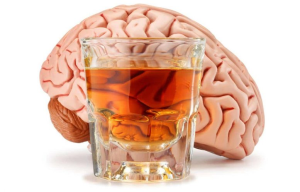
Alcohol affects the central nervous system and can impair judgment, attention, memory, emotional regulation, and impulse control.
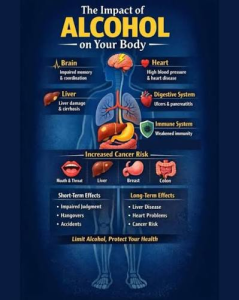
As a result, an individual may communicate more impulsively, disclose personal information, become emotionally expressive, or engage in behaviour that they would normally avoid.
Nevertheless, alcohol does not function as a truth detector.
It can also produce overconfidence, distorted perceptions, exaggerated emotions, misunderstandings, and false memories.
Therefore, what someone says under the influence of alcohol should not automatically be considered more authentic or accurate than what they say when sober.
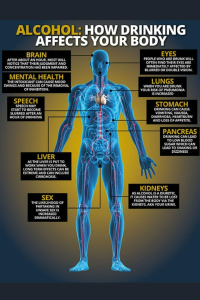
The psychological paradox is that the same substance that may reduce inhibition can also weaken the mental processes necessary for evaluating truth.
1. THE GLASS THAT NEGOTIATES WITH THE MIND
There is a mysterious conversation between the human mind and the glass, a negotiation in which pleasure promises happiness while reason quietly asks about tomorrow. The glass is transparent, yet the consequences it carries are not always visible; it offers temporary excitement while concealing the possible cost of irresponsible decisions. One sip may become a moment of relaxation, another may become a habit, and sometimes a habit gradually becomes a dependency. Oh, human being, have you ever questioned whether you are holding the glass or whether the glass is gradually holding your judgment? For the greatest danger is not always what enters the body, but what disappears from the mind when responsibility loses its voice.
There is a mysterious conversation between a human being and a glass, a silent negotiation between desire and reason, pleasure and responsibility, consciousness and temptation. The glass sits quietly upon the table, transparent in appearance, yet carrying invisible questions about the nature of human freedom. It does not speak, yet its presence invites a conversation; it does not command, yet the individual may gradually surrender to its attraction. The mind asks, What will I gain? Desire responds, Perhaps a moment of pleasure. Conscience intervenes, But what might you lose? And somewhere between these competing voices, a decision begins to take shape.
The glass promises relaxation, but the mind must remember responsibility. It offers temporary excitement, but reason questions the destination. It invites the individual to forget the difficulties of yesterday, yet tomorrow remains patiently waiting with its own demands. The first encounter may appear insignificant, the next may become a repeated experience, and sometimes repetition gradually develops into a habit whose consequences extend beyond the individual. What begins as a personal decision may eventually influence relationships, financial priorities, family responsibilities and social well-being.
Oh, human being, have you ever wondered why something so small can sometimes influence decisions so enormous? How can a transparent substance alter the relationship between thought and action? How can a moment of pleasure weaken the psychological mechanisms that ordinarily protect judgment? The answer lies partly in the complex architecture of the human brain, where reason, emotion, memory, reward and inhibition interact to regulate behaviour. Alcohol can interfere with this delicate system, reducing the ability to evaluate consequences, regulate impulses and distinguish temporary satisfaction from lasting well-being.
There is a guardian within the human mind, an invisible watchman called inhibition. He protects the boundaries between desire and action, between anger and violence, between temptation and responsibility. He reminds the tongue that not every thought deserves expression, the hands that not every emotion deserves physical demonstration, and the heart that not every desire deserves satisfaction. Yet when intoxication weakens his influence, the individual may become more willing to act while becoming less capable of judging the consequences. The tongue begins speaking without consulting wisdom, emotions become difficult to regulate, and decisions may travel farther than consciousness intended.
The glass negotiates with the mind, but the mind must negotiate with tomorrow. It asks for another moment, while responsibility asks for another opportunity to remain in control. It promises courage, while wisdom asks whether confidence without judgment is genuine courage. It offers escape, while reality reminds us that avoiding a problem is not the same as solving it. It creates an illusion of freedom, while dependency, in some circumstances, may gradually reduce the individual’s capacity to choose freely.
What is courage if it disappears when the glass is removed? What is freedom if one cannot refuse an impulse? What is intelligence if temporary pleasure can silence rational reflection? What is happiness if its pursuit repeatedly compromises the dignity of others? And what is the meaning of human maturity if an individual cannot distinguish between what feels good and what is genuinely good?
Perhaps the greatest tragedy is not always the glass itself, but the decisions made without considering the people who may carry their consequences. A spouse may remember words that the speaker has forgotten. A child may remember an atmosphere that an adult considers insignificant. A friend may lose trust because of a temporary act of irresponsibility. Money intended for education, food, healthcare or investment may disappear through repeated harmful consumption. The night may end, the music may stop, and the glass may become empty, but the emotional, financial and social consequences may continue.
And then comes the morning.
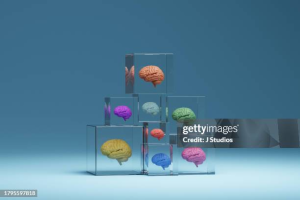
Morning is a different philosopher. It does not negotiate with yesterday’s illusions. It asks questions that the night avoided. What did you say? Whom did you hurt? What did you spend? What did you risk? Which responsibility did you abandon? It places yesterday’s decisions before the mirror of consciousness and invites the individual to confront the distance between intention and action. Sometimes the answer is regret; sometimes it is embarrassment; sometimes it is the painful realization that trust requires more than an apology. Yet morning also carries an opportunity: the opportunity to learn, to seek support, to repair what can be repaired and to change what must no longer be repeated.
Oh, human being, do not confuse the absence of fear with courage, the weakening of inhibition with freedom, or temporary excitement with lasting happiness. True courage is developed through consciousness; true freedom requires responsibility; and genuine happiness cannot be measured exclusively by the pleasure of a passing moment. Aristotle called attention to temperance as an important virtue of human life, reminding us of the significance of regulating desires through reason. The deeper lesson is that human greatness is not found in satisfying every appetite but in developing the wisdom to govern it.
The glass may be transparent, but the future it influences is not always predictable. It may stand before a wealthy person or a poor person, a scholar or an ordinary worker, a parent or a young adult. Yet every individual must recognize that personal choices exist within a wider network of human relationships and responsibilities. The challenge is therefore not simply to understand alcohol, but to understand the human being who encounters it: a creature of desires, contradictions, vulnerabilities, intelligence and possibilities.
Let the mind remain awake when pleasure becomes attractive. Let reason remain present when emotions become powerful. Let responsibility remain visible when temptation becomes persuasive. Let the individual remember that a family is not a glass that can be emptied and replaced, that trust is not a commodity that can be purchased after it is destroyed, and that time does not always return the opportunities that irresponsible decisions have taken away.
For the glass can be emptied in minutes, but the consequences may occupy years. The night can disappear, but the memory may remain. The substance may leave the body, but the responsibility to repair damaged relationships does not automatically disappear. And when the final negotiation between desire and reason takes place, may wisdom be the voice that receives the final word.
The glass may negotiate with the mind, but wisdom must never surrender its authority to the glass.
“The greatest victory of the human mind is not the ability to experience every pleasure, but the wisdom to recognize which pleasures may compromise the dignity, freedom and future of the person seeking them.”
— Dr. Havugimana Alexis
2. WHEN REASON BECOMES SILENT

There is a time when the mind must speak louder than desire, when wisdom must stand above temptation, and when self-control must become stronger than immediate pleasure. Yet intoxication may reverse this relationship, allowing impulses to speak while reason struggles to respond. The tongue begins to travel without consulting wisdom, emotions become difficult to regulate, and decisions are sometimes made without considering their destinations. A person may speak without thinking, promise without understanding, argue without listening, and act without measuring consequences. But when the morning arrives, reason returns to examine the actions that were performed in its absence. What a painful contradiction: the mind that was temporarily silenced must eventually live with the consequences of what the uncontrolled mind expressed.
Alcohol and the Weakening of Psychological Restraint
Alcohol is a psychoactive substance that affects the central nervous system.
It can interfere with several cognitive and psychological functions, including:
- Judgment and decision-making.
- Impulse control.
- Attention and concentration.
- Memory formation.
- Emotional regulation.
- Risk perception.
- Social inhibition.
- Motor coordination.
Alcohol particularly affects brain systems involved in executive functioning, including networks associated with the prefrontal cortex.
As intoxication increases, a person may become less capable of evaluating risks, anticipating consequences, and regulating immediate emotional responses.
This explains why some people engage in behaviour they would ordinarily avoid when sober.
However, alcohol does not affect everyone identically. Its effects depend on several factors, including quantity consumed, drinking speed, body characteristics, individual biology, medication interactions, and drinking history.
There is a moment in human existence when reason stands before desire, when consciousness attempts to negotiate with temptation, and when the invisible boundaries of self-control are tested by the attractions of immediate pleasure. Within every human being lives a silent dialogue between what the heart desires, what the mind understands, what the body experiences and what responsibility demands. Reason is the voice that questions consequences before actions are performed; it is the invisible teacher that reminds the tongue to remain silent when words may destroy, the hand to remain still when anger demands violence, and the mind to reconsider when temptation promises satisfaction. Yet, what happens when this voice becomes silent? What happens when the individual continues to act while the capacity to question those actions becomes increasingly weakened?
Alcohol introduces a complicated interruption into this dialogue. It can alter the functioning of the brain, weaken impulse regulation, impair judgment and reduce the ability to evaluate risks. The individual may begin to experience a strange psychological contradiction: the desire to act becomes stronger while the ability to consider consequences becomes weaker. Words escape before they are examined, emotions emerge before they are regulated, and decisions are made before their destinations are understood. The person who once measured every sentence may suddenly speak without caution; the person who previously avoided confrontation may become argumentative; and the person who valued patience may find themselves responding to ordinary disagreements with unnecessary anger. It is as though the mind has dismissed its counsellor and allowed impulse to occupy the chair of authority.
Oh, human being, how mysterious is the architecture of your consciousness! You possess the intelligence to understand consequences, yet sometimes you act as though tomorrow does not exist. You know the importance of dignity, yet temporary excitement may weaken your attention to it. You understand the value of relationships, yet a moment of impaired judgment may place years of trust at risk. You know that words can become wounds, yet sometimes you allow your tongue to travel beyond the borders of wisdom. Is it not a contradiction that a creature capable of reasoning can sometimes participate in actions without adequately consulting reason?
When reason becomes silent, the tongue may become a traveller without direction. It visits places where wisdom would never have sent it, reveals thoughts that should have remained unspoken and transforms small disagreements into unnecessary conflicts. The speaker may forget the conversation when sobriety returns, but the listener may preserve every painful sentence in memory. For language is not merely a collection of sounds; it is an instrument of human dignity, capable of building bridges or creating distances that time may struggle to repair.
When reason becomes silent, the emotions may begin to speak without moderation. Anger may disguise itself as courage, jealousy may disguise itself as love, recklessness may disguise itself as freedom, and excessive confidence may disguise itself as strength. Yet genuine courage is not the absence of caution, and genuine freedom is not the abandonment of responsibility. A person who cannot regulate an impulse is not necessarily demonstrating independence; they may simply be experiencing a temporary weakening of the psychological mechanisms that ordinarily guide responsible behaviour.
What do you think about ?
There is also a painful silence that enters the family. A spouse may wait for understanding while receiving arguments. Children may seek security while encountering unpredictability. Friends may expect respect while experiencing humiliation. The individual may consider the incident temporary, but those who experience its consequences may carry its emotional weight long after the intoxication has disappeared. How can a moment of pleasure become more important than the peace of an entire household? How can a temporary alteration of consciousness become the reason for permanent damage to relationships that required years to build?
And then comes the morning, when reason slowly returns to the place it once occupied. It looks at yesterday’s decisions and begins asking questions. Why did you speak that way? Why did you spend that money? Why did you ignore that responsibility? Why did you allow a temporary emotion to control a permanent relationship? The individual may discover that the night offered excitement but left questions, that pleasure occupied a moment but consequences occupied the future. Sometimes the most painful part of intoxication is not the loss of memory, but the return of memory when one realizes what may have happened.
Yet, this poem is not a condemnation of people experiencing alcohol-related difficulties. Human beings are complex, vulnerable and capable of transformation. Harmful consumption may involve psychological, biological and social factors, and individuals experiencing dependency deserve appropriate support, compassion and professional assistance. Understanding behaviour requires more than judging its visible expression; it requires examining the circumstances, vulnerabilities and consequences that shape it. Nevertheless, compassion must coexist with responsibility, because understanding why harm occurs does not remove the importance of preventing further harm.
Aristotle’s reflections on temperance remind humanity that wisdom requires the regulation of desires through reason. The philosophical challenge is therefore not to eliminate every human desire, but to develop the capacity to distinguish between what is immediately attractive and what is genuinely beneficial. Freedom without self-control may become another form of captivity; intelligence without responsibility may become an instrument of destruction; and pleasure without reflection may become a source of regret.
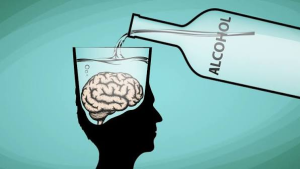
Oh, human being, let reason never become a stranger in your own mind. Let wisdom remain present when temptation becomes persuasive, let responsibility remain awake when pleasure becomes attractive, and let consciousness question every impulse that threatens your dignity. Remember that the tongue can speak in seconds what the heart may regret for years, that the hand can destroy in moments what patience took a lifetime to build, and that a decision made without reflection may become a burden carried by people who never participated in making it.
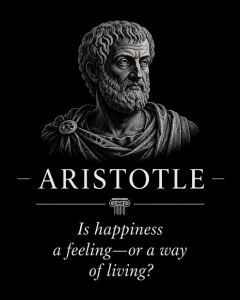
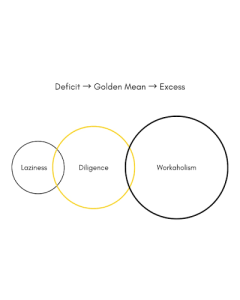
Aristotle’s Golden Mean reminds us that every virtue lives between two extremes: a deficit and an excess.
It’s called “The Virtue Continuum”:
Integrity lies between corruption and legalism.
Courage balances cowardice and recklessness.
Respect sits between disregard and idolatry.
Love navigates between selfishness and enablement.
Diligence rests between laziness and workaholism.
Discernment finds the middle ground between foolishness and judgmentalism.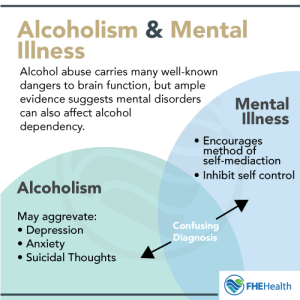
Moderation doesn’t mean mediocrity. It means practicing our values in ways that are sustainable, ethical, and human.
As social workers, criminologists, and criminal justice professionals, cultivating this balance helps us protect clients, honor dignity, and grow into the kind of professionals our communities need.
For there is a profound difference between having the freedom to act and possessing the wisdom to act responsibly. The greatest expression of human intelligence is not simply knowing what one can do, but understanding what one should avoid. The greatest expression of courage is not acting without fear, but acting with awareness. And the greatest expression of maturity is not allowing every desire to become an action, but permitting reason to examine desire before it becomes behaviour.
When reason becomes silent, impulse may begin to speak; when impulse becomes powerful, consequences may begin to accumulate; but when consciousness awakens, transformation becomes possible. Let the human mind never surrender its responsibility to temporary pleasure, because the silence of reason may become the loudest explanation of tomorrow’s regret.
“The tragedy of human behaviour is not always that we lack the ability to distinguish right from wrong; sometimes it is that we temporarily silence the very reason that could have protected us from the consequences of our own decisions.”
— Dr. Havugimana Alexis
3. THE INVISIBLE GUARDIAN CALLED INHIBITION
When Impulses Become Louder Than Reason
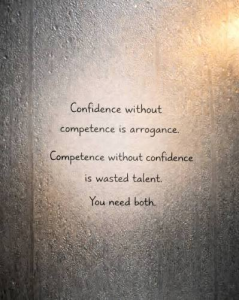
Psychologically, human behaviour is influenced by two competing forces:
- The desire to satisfy immediate impulses.
- The ability to regulate those impulses through reflection and judgment.
Under normal circumstances, these forces interact to guide behaviour.
Alcohol can disturb this balance.
The individual may increasingly prioritize immediate pleasure over long-term consequences.
A temporary feeling of confidence may replace caution.
A momentary emotional reaction may replace thoughtful communication.
A desire for excitement may overpower an awareness of danger.
This is one of the psychological dangers of intoxication: the person may become more willing to act while becoming less capable of evaluating the action.
A mind that loses the ability to question its impulses becomes vulnerable to the consequences of its desires.
Inside every human being lives an invisible guardian called inhibition, a psychological watchman whose responsibility is to protect the boundary between desire and action. He holds the tongue when anger becomes dangerous, restrains the hand when violence becomes attractive, questions the heart when temptation becomes powerful, and reminds the individual that not every opportunity deserves acceptance. He is invisible, yet his absence can become visible through broken relationships, irresponsible decisions, unnecessary conflicts and forgotten responsibilities. Alcohol may weaken his influence, but life continuously reminds humanity that self-control is not a weakness; it is one of the greatest expressions of psychological maturity. Blessed is the person who can experience temptation without becoming its prisoner.
THE GLASS AND THE GUARDIAN
There is a guardian inside the human soul,
A silent watchman standing at the gate of reason.
He does not wear a uniform,
He carries no weapon,
He commands no army,
Yet he protects the dignity of human existence.
His name is inhibition.
He holds the tongue when anger becomes a storm,
He restrains the hand when violence becomes an invitation,
He questions the heart when temptation becomes attractive,
And he reminds the mind that not every desire deserves satisfaction.
But one evening,
A glass arrives at the table.
It is transparent,
Yet its consequences are sometimes invisible.
It is small,
Yet the decisions made under its influence may become enormous.
The first sip may appear harmless,
The second may invite another,
And the evening may gradually become a negotiation
Between pleasure and responsibility.
The guardian begins to lose his voice.
Reason becomes quieter,
Impulse becomes louder,
Judgment becomes weaker,
And caution begins to disappear.
The tongue starts travelling
Where wisdom would never have sent it.
The hands begin expressing
What discipline would have restrained.
The feet move towards destinations
That consciousness might have rejected.
And the individual,
Who once believed that he controlled the glass,
May discover that the glass has begun influencing his choices.
Oh, human being!
What is the meaning of freedom
If you cannot govern your own impulses?
What is the value of intelligence
If temporary pleasure can silence your judgment?
What is the greatness of knowledge
If you cannot protect the dignity of another person?
What is the meaning of courage
If it requires the destruction of responsibility?
The glass becomes empty,
But the consequences remain.
The music stops,
But the memories continue.
The celebration ends,
But the family may continue asking questions.
The night disappears,
But the morning brings the burden of accountability.
And there, before the mirror of consciousness,
The individual encounters a difficult truth:
Not everything that gives temporary pleasure
Creates lasting happiness.
Not everything that removes fear
Produces genuine courage.
Not everything that weakens restraint
Creates freedom.
For the highest expression of human intelligence
Is not the ability to experience every pleasure,
But the wisdom to recognize
Which pleasures may destroy the life one is trying to build.
— Dr. Havugimana Alexis
4. THE ILLUSION OF COURAGE
Alcohol and Emotional Disinhibition

Human emotions are complex. They include happiness, sadness, anger, jealousy, affection, fear, frustration, and excitement.
Alcohol may intensify emotional expression or reduce the ability to regulate emotional reactions.
For example:
- A frustrated individual may become confrontational.
- A sad individual may become emotionally overwhelmed.
- An excited individual may engage in dangerous activities.
- A jealous individual may become verbally aggressive.
- A socially anxious individual may temporarily feel less inhibited.
Nevertheless, alcohol does not reveal an individual’s supposedly authentic personality in a simple or scientifically reliable way.
Intoxicated behaviour is influenced by the substance, the environment, expectations, individual personality, and social circumstances.
Therefore, it is misleading to conclude that every action committed under intoxication represents someone’s true character.
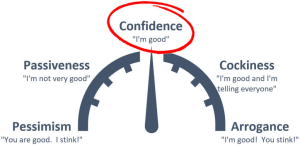
Some people borrow confidence from a bottle, believing that intoxication can transform fear into courage, silence into communication and insecurity into strength. They approach conversations they previously avoided, express emotions they struggled to communicate and sometimes mistake reduced inhibition for personal transformation. But is it courage when fear disappears because judgment has become impaired? Is it strength when confidence increases while awareness of consequences decreases? Genuine courage is not the absence of fear; it is the ability to confront fear with consciousness, preparation and responsibility. A person who needs intoxication to discover their voice may eventually forget the power of speaking through their own confidence. True courage is developed within the human spirit, not borrowed from a glass.
5. THE TONGUE THAT FORGETS THE ROAD TO WISDOM
In philosophy, freedom is not simply the ability to do whatever one desires.

True freedom involves the capacity to make meaningful choices while recognizing the moral and social consequences of those choices.
A person may be physically free but psychologically vulnerable to impulses.
A person may possess opportunities but lack the discipline to use them wisely.
A person may exercise personal choice while placing other people’s lives at risk.
This raises an important ethical question:
Can an individual claim the right to personal freedom while ignoring the responsibilities that accompany that freedom?
Alcohol consumption is often discussed in terms of individual liberty. Yet, when drinking-related behaviour endangers other people, the issue extends beyond personal choice.
It becomes a question of public responsibility.
The freedom to drink does not include the freedom to drive while impaired, assault another person, or expose others to preventable harm.
What Happens Inside the Brain?
Alcohol affects several neurotransmitter systems.
Two particularly important systems are:
GABA: Alcohol enhances inhibitory signalling through GABA-related mechanisms, contributing to sedation and reduced neural activity.
Glutamate: Alcohol can inhibit NMDA-type glutamate receptors, affecting learning, memory, and other cognitive processes.
Alcohol also influences dopamine-related reward pathways, contributing to reinforcement and the desire to repeat pleasurable experiences.
These interactions help explain why alcohol can produce relaxation, impaired coordination, reduced judgment, memory disturbances, and behavioural disinhibition.
The prefrontal cortex plays an important role in planning, impulse regulation, decision-making, and evaluating consequences.
When alcohol disrupts the functioning of the brain networks involved in these processes, self-regulation may become less effective.
The result is a dangerous psychological contradiction:
The individual may feel increasingly confident while becoming increasingly impaired.
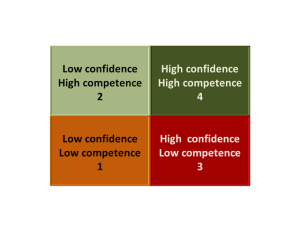
Confidence Without Competence
One of the paradoxes associated with alcohol is that a person may feel more capable while actually becoming less capable.
Someone may believe they can drive safely while their reaction time and coordination are impaired.
Someone may believe they are communicating effectively while speaking incoherently.
Someone may believe they are controlling a situation while their judgment is deteriorating.
This creates a dangerous separation between subjective confidence and objective ability.
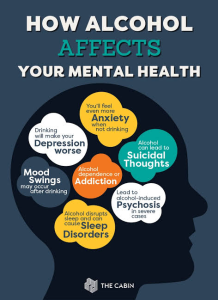
Feeling capable is not the same as being capable.
The human mind can sometimes become less aware of its own limitations precisely when those limitations become more dangerous.
Does Alcohol Reveal the Real Person?
This question deserves serious philosophical and psychological examination.
Some people argue that alcohol reveals what a person truly thinks.
Others argue that intoxication produces behaviour that does not necessarily reflect a person’s stable beliefs or values.
A more balanced position recognizes that alcohol may influence the expression of existing emotions, expectations, impulses, and social behaviours, while also impairing judgment and generating behaviours that would not occur under sober conditions.
A person’s identity cannot be reduced to one intoxicated episode.
Human identity is better understood through the broader pattern of decisions, values, relationships, responsibilities, and behaviour across different circumstances.
Therefore, one should neither automatically excuse every intoxicated action nor assume that every intoxicated statement represents an individual’s deepest truth.
THE MASK AND THE MIRROR
Does alcohol reveal the real person, or does it merely distort the image of the person we believe ourselves to be? This question stands at the intersection of psychology, philosophy, morality, and human consciousness. Some people argue that alcohol reveals what lies beneath the surface: the anger hidden behind a smile, the affection concealed by pride, the jealousy disguised as friendship, or the desires restrained by social expectations. Others maintain that alcohol does not uncover the authentic self; rather, it interferes with the very faculties through which the self understands, regulates, and expresses its intentions. Perhaps the truth lies somewhere between these two positions. Alcohol may loosen certain psychological restraints, but what emerges is not necessarily the complete truth of a person’s identity. It may be a mixture of suppressed emotions, temporary impulses, distorted perceptions, unresolved frustrations, and impaired judgment. A mirror can reflect a face, but a broken mirror cannot be trusted to reveal its true proportions.
WHEN THE MASK BEGINS TO FALL
There are people who spend their days constructing carefully managed identities. They smile while carrying disappointment, speak gently while harbouring resentment, and demonstrate confidence while privately struggling with insecurity. Society teaches individuals to regulate their emotions, conceal certain desires, and behave according to accepted standards. Alcohol may weaken some of these restraints, making certain emotions or impulses more visible. A person who rarely expresses affection may suddenly become emotional; another who appears peaceful may become argumentative; someone who ordinarily avoids confrontation may become aggressive. Yet the appearance of an emotion is not proof that the emotion represents the whole person. Anger may reveal frustration, but it does not establish that cruelty is someone’s essential nature. Tears may reveal pain, but they do not define the totality of a person’s character. The human being is larger than a single moment of emotional exposure.
THE SILENCE OF SELF-CONTROL
Human dignity is not measured only by what a person feels, but also by the ability to decide what should be expressed, when it should be expressed, and how it should be expressed. Self-control is not necessarily hypocrisy; it can be an expression of maturity, discipline, respect, and moral responsibility. A person who feels anger but chooses not to humiliate another person may be demonstrating strength rather than hiding an evil identity. A person who experiences jealousy but refuses to destroy a friendship may be exercising moral judgment. When alcohol impairs inhibition and decision-making, the distance between impulse and action can become shorter. Words may escape before they are examined, and actions may occur before their consequences are considered. But the disappearance of restraint does not automatically produce authenticity. Sometimes it produces confusion where wisdom once stood, and noise where reflection once lived.
THE PSYCHOLOGY OF THE HIDDEN SELF
Psychologically, human behaviour is influenced by many interacting factors: personality, memory, emotional experience, social environment, expectations, stress, and biological processes. Alcohol affects the brain systems involved in judgment, attention, coordination, and emotional regulation. Its effects differ according to the individual, the amount consumed, the circumstances, and other factors. Consequently, one person’s intoxicated behaviour cannot be used as a universal explanation of that person’s character. Alcohol may make previously restrained feelings easier to express, but it may also intensify emotions, create misunderstandings, encourage impulsive interpretations, and weaken the ability to evaluate reality accurately. What appears to be a confession may be exaggeration; what sounds like courage may be recklessness; what looks like honesty may be a mixture of genuine feeling and distorted judgment. The psychological question, therefore, is not simply what a person says while drinking, but whether that expression remains consistent with their considered beliefs, values, and behaviour when sober.
THE DIFFERENCE BETWEEN FEELING AND CHARACTER
A person may feel hatred without being entirely defined by hatred. A person may experience temptation without making temptation the foundation of their identity. Someone may become verbally aggressive under the influence of alcohol, but that behaviour must still be taken seriously because it can hurt others. Understanding the influence of alcohol does not mean excusing harmful conduct. Equally, condemning an individual through one intoxicated episode does not provide a complete psychological assessment of their personality. Human character is better understood through patterns: repeated decisions, relationships, responsibilities, responses to criticism, treatment of vulnerable people, and willingness to acknowledge mistakes. One evening can reveal something important, but a lifetime of choices provides a broader picture.
THE COURAGE TO FACE THE SOBER SELF
Perhaps the most important question is not whether alcohol reveals the real person, but whether the person is willing to examine what happened after the alcohol has left the body. Does the individual remember the words spoken? Can they recognise the pain caused? Do they accept responsibility without hiding behind intoxication? Are they willing to apologise, repair relationships, seek help, or change the conditions that repeatedly produce harmful behaviour? The morning after drinking can become a moment of moral examination. Regret alone is not transformation; an apology without changed behaviour may become another performance. Genuine reflection begins when a person accepts that explanations are not the same as excuses and that understanding one’s weaknesses should lead to responsibility rather than surrender.
THE PHILOSOPHY OF AUTHENTICITY
Existential philosophy invites us to consider the relationship between freedom, responsibility, and identity. We are not merely the sum of our immediate impulses; we also participate in shaping who we become through our choices. Authenticity cannot simply mean expressing everything one feels. If every impulse were treated as an unquestionable truth, human freedom would become a prisoner of temporary desire. True authenticity requires awareness: the ability to recognise emotions without being controlled by them, to acknowledge imperfections without worshipping them, and to act according to values that survive beyond the excitement or confusion of a particular moment. The authentic person is not necessarily the one who speaks without restraint, but the one who understands the difference between an impulse and a principle.
THE GLASS DOES NOT TELL THE WHOLE STORY
Do not use alcohol as the final instrument for measuring another person’s heart. Do not assume that every intoxicated confession is the deepest truth, every affectionate gesture is permanent love, or every angry statement represents an unchanging belief. At the same time, do not ignore repeated harmful behaviour simply because alcohol was involved. Listen to what is expressed, examine what is repeated, and evaluate what happens when the individual is sober. The glass may expose certain tensions, but it can also magnify illusions. It may loosen the tongue while weakening the judgment that gives words their meaning. It may uncover a wound without explaining its origin, reveal an impulse without establishing its moral legitimacy, and expose a weakness without defining the whole human being.
WHO ARE WE WHEN THE GLASS IS EMPTY?

Perhaps the real person is not found exclusively in the behaviour displayed while drinking or in the respectable image presented while sober. Human identity is a complex relationship between emotion and reason, desire and discipline, freedom and responsibility, weakness and transformation. Alcohol can reveal certain aspects of behaviour, but it cannot provide a complete or reliable definition of human nature. The deeper measure of character is found in the consistency between what we profess, what we practise, how we treat others, and what we choose to correct when we recognise our failures. When the glass is empty, when the music is silent, and when the temporary excitement disappears, one question remains: What kind of person are you willing to become?
— Dr. Havugimana Alexis
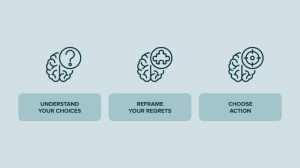
The Psychology of Regret
The consequences of alcohol-related disinhibition sometimes become most visible after sobriety.
Why Your Mind Keeps Revisiting the Past
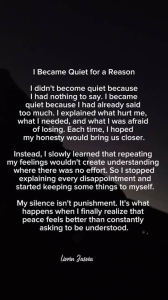
Have you ever replayed the same moment…
Over and over again…
Wondering what would have happened if you had made a different choice?
“If only I had said something…”
“If only I had stayed…”
“If only I had left sooner…”
Regret has a way of convincing us that the past is still waiting to be changed.
But it isn’t.
The truth is…
Your mind doesn’t revisit the past because it enjoys your pain.
It revisits it because it’s searching for closure.
It wants to understand.
It wants to protect you from making the same mistake again.
That’s why certain memories refuse to leave.
Not because you’re weak…
But because your heart is still trying to make sense of what happened.
The danger is when reflection turns into imprisonment.
When you spend so much time reliving yesterday…
You stop living today.
Regret becomes a place you visit so often…
It begins to feel like home.
But healing begins when you realize this:
You cannot rewrite your past.
But you can rewrite the meaning you give it.
Every mistake carries a lesson.
Every loss carries wisdom.
Every painful chapter can become part of your growth instead of your identity.
- Which of these resonates with you the most?
- You’re still searching for closure.
- You keep wondering, “What if?”
- You’re afraid of repeating the same mistake.
- You’re holding onto guilt or shame.
- You’ve allowed regret to define who you are.
- You focus more on what you lost than what remains.
- You haven’t forgiven yourself.
If one of these speaks to you…
Know this:
You’re not meant to carry regret forever.
You’re meant to learn from it…
Then leave it behind.
Which number describes where you are today?
Comment the number below.
You may discover that someone else is walking the same path—and your honesty could become their encouragement.
Remember…
Your past is a teacher.
It was never meant to become your permanent home.
Let the lesson stay.
Let the regret go.

An individual may wake up remembering:
- Words that should never have been spoken.
- Money that should never have been spent.
- Relationships that should never have been endangered.
- Decisions that should never have been made.
- Opportunities that may never return.
This is the psychological burden of regret.
The tragedy is that the moment of pleasure may be temporary, while the consequences may become permanent.
The individual is then forced to confront a painful question:
Why did I allow a temporary desire to compromise something of lasting value?
Words are invisible instruments capable of constructing relationships or destroying them. They can heal wounded hearts, establish friendships, strengthen marriages and create opportunities, but they can also humiliate, discourage and permanently damage human dignity. When inhibition weakens, the tongue may become a traveller without a map, moving through anger, exaggeration, insults and unnecessary revelations. The speaker may forget the conversation when sobriety returns, but the listener may preserve every painful sentence in memory. Oh, human being, learn that silence is sometimes wisdom, restraint is sometimes courage, and not every thought deserves to become a spoken word. A mouth without discipline may become a source of wounds that apologies cannot immediately heal.
6. THE MORNING THAT ASKS QUESTIONS
Night may conceal the consequences of irresponsible behaviour, but morning has a different language. It asks about the money that disappeared, the promises that were broken, the people who were offended, the opportunities that were lost and the relationships that were placed in danger. The music has stopped, the celebration has ended, the glass is empty, and the individual stands before the mirror of personal responsibility. Yesterday’s confidence may become today’s embarrassment, yesterday’s laughter may become today’s regret, and yesterday’s excitement may become tomorrow’s lesson. Such is the paradox of temporary pleasure: it may occupy a few hours of existence while its consequences demand years of reflection. The morning does not always punish; sometimes it teaches, but its lessons are not always inexpensive.
In Aristotelian ethics, temperance is a virtue concerned with moderation and the appropriate regulation of bodily desires and pleasures.
Temperance does not necessarily demand the rejection of every pleasure.
Rather, it emphasizes the importance of allowing reason and virtue to guide human appetites.
From this perspective, alcohol raises a broader philosophical concern:
Are human beings controlling their desires, or are their desires controlling them?
A person who cannot regulate an appetite may gradually become dependent on the satisfaction of that appetite.
The issue is therefore not simply the existence of pleasure, but the relationship between pleasure, judgment, and responsibility.
7. THE BROKEN MIRROR OF HUMAN RELATIONSHIPS
A relationship is like a mirror, requiring care, trust and respect to preserve its reflection. Yet repeated irresponsible behaviour can gradually introduce cracks into that mirror. A partner may become tired of apologies without transformation, children may become confused by unpredictable behaviour, and family members may silently carry burdens they never created. The tragedy is that a person may spend money seeking temporary happiness while unknowingly spending the trust, patience and emotional security of those who love them. Alcohol is not the sole explanation for every family conflict, but harmful consumption can become one of the circumstances that intensify existing problems. Remember, human relationships are not bottles that can simply be emptied and replaced; they are delicate structures built through time, sacrifice and responsibility.
8. FREEDOM WITHOUT SELF-CONTROL IS ANOTHER FORM OF CAPTIVITY
Human freedom is not the unrestricted satisfaction of every desire; it is the conscious ability to choose while understanding the consequences of one’s decisions. What is the meaning of freedom if an individual cannot say no to an impulse? What is the value of intelligence if temporary pleasure can silence judgment? What is the greatness of independence if personal choices become burdens for innocent family members? A person may believe that they are exercising freedom while gradually becoming dependent on something that weakens their ability to choose. True freedom requires awareness, responsibility and self-governance. The individual who can refuse what threatens their dignity possesses a form of strength that cannot be measured by possessions, social status or physical power.
9. THE PHILOSOPHY OF TEMPERANCE
Between desire and destruction lies the wisdom of moderation, and between pleasure and dependency lies the importance of self-awareness. The philosophy of temperance teaches humanity that pleasure should never become the master of reason. Aristotle reminds us through his ethical reflections that virtue involves the proper regulation of desires and appetites. The human being is not necessarily great because they can experience every pleasure, but because they can distinguish between what provides immediate satisfaction and what contributes to lasting well-being. There is wisdom in restraint, dignity in discipline and freedom in the ability to govern one’s appetites. Sometimes the greatest victory is not winning a battle against another person, but winning the silent battle within oneself.
10. THE FAMILY THAT PAYS FOR AN INDIVIDUAL’S CHOICES
Behind every household are dreams that require protection, responsibilities that require attention and children whose futures depend partly on the decisions made by adults. When harmful alcohol consumption becomes a repeated pattern, the consequences may extend beyond the individual to the entire family. Money intended for education may disappear, emotional security may weaken, and domestic responsibilities may become neglected. A child may never understand why the atmosphere at home changes, but may grow up remembering the uncertainty. A spouse may forgive many times, yet emotional exhaustion can gradually replace affection. Therefore, responsible living is not merely an individual achievement; it is also a contribution to the security and dignity of everyone who depends on us.
11. THE GLASS AND THE SHADOW OF DEPENDENCY
Not every person who drinks becomes dependent, but dependency can gradually transform a person’s relationship with pleasure, freedom and personal identity. What begins as occasional consumption may, for some individuals, develop into repeated behaviour that becomes increasingly difficult to control. The person may promise to stop, attempt to reduce consumption, experience difficulty maintaining those decisions and continue despite harmful consequences. Behind the visible glass may exist an invisible struggle involving psychological vulnerability, biological processes, social pressures and environmental circumstances. Such individuals require understanding, appropriate support and sometimes professional treatment rather than humiliation and condemnation. Compassion does not mean ignoring consequences; it means recognizing that human suffering deserves both responsibility and assistance.
12. THE HUMAN BEING AND THE WEIGHT OF TOMORROW
Every decision is a seed planted in the soil of time. Some seeds produce opportunities, others produce difficulties, and some grow into consequences that future generations may inherit. The person who drinks irresponsibly today may compromise tomorrow’s financial security, professional opportunities, family relationships or physical well-being. Yet the person who chooses awareness, moderation or abstinence where necessary may protect resources that support a more stable future. Life is not simply a collection of moments to be consumed; it is a continuous process of constructing meaning through decisions. Tomorrow is not built by wishes alone; it is prepared through the discipline exercised today.
13. THE LAST GLASS: A DIALOGUE BETWEEN DESIRE AND CONSCIENCE
Desire says, give me another moment of pleasure; conscience responds, remember the responsibilities waiting for you. Desire says, forget your worries; conscience asks whether forgetting is the same as solving. Desire says, speak whatever your heart wishes; conscience reminds you that words have consequences. Desire says, demonstrate your courage; conscience asks whether courage requires the destruction of judgment. Desire says, enjoy the present; conscience reminds you that the future is constructed from present decisions. And somewhere between these competing voices stands the human being, possessing the difficult privilege of choice. The ultimate question is not whether temptation exists, but whether wisdom can remain awake when temptation becomes attractive.
14. THE RETURN OF REASON
When intoxication disappears, reason returns to the human mind, sometimes carrying memories, questions and responsibilities. It discovers what was said, what was done, what was damaged and what may still be repaired. It asks the individual to recognize mistakes without surrendering to hopelessness, to seek help where necessary, to apologize where appropriate and to transform repeated harmful patterns into opportunities for personal change. The return of reason should not become merely an occasion for regret; it should become an invitation to transformation. A mistake may become a lesson, a lesson may become awareness, and awareness may become the foundation of a different way of living. Human dignity is not protected by pretending that mistakes never happen, but by accepting responsibility and developing the courage to change.
15. THE FINAL TEST OF HUMAN INTELLIGENCE
Human intelligence is not measured exclusively by academic qualifications, professional achievements, wealth or the ability to articulate complicated ideas. It is also reflected in the capacity to manage emotions, recognize limitations, protect relationships, regulate desires and make responsible decisions. A person may possess extraordinary knowledge yet struggle with self-control; another may possess modest academic qualifications yet demonstrate remarkable wisdom through discipline and responsible living. The deepest examination of humanity occurs when desire competes with responsibility, when pleasure competes with purpose, and when immediate satisfaction threatens long-term dignity. The true intellectual victory is not the ability to justify every action but the wisdom to question one’s own behaviour before it becomes destructive.
16. THE GLASS MAY BE EMPTY, BUT LIFE IS STILL FULL OF RESPONSIBILITIES
Oh, human being, remember that your life is larger than the temporary pleasures that visit your existence. Your family is more valuable than an unnecessary argument, your dignity is more precious than borrowed confidence, your future deserves more protection than an impulsive decision, and your mind deserves more respect than the temporary satisfaction of losing control. Alcohol may alter consciousness, weaken inhibition and impair judgment, but human dignity, responsibility and the need to protect life remain essential. Do not measure freedom by how much you can consume, courage by how loudly you can speak, or happiness by how completely you can forget your problems. Measure maturity by your ability to understand yourself, respect others and make decisions that protect the future you wish to create. The glass may become empty, the night may disappear and the pleasure may fade, but life continues to demand wisdom. For the greatest intoxication is not always the substance that enters the body; sometimes it is the illusion that we can escape the consequences of our own decisions.
“A human being does not demonstrate greatness by satisfying every desire, but by possessing the wisdom to question desire, the courage to resist destructive impulses, and the discipline to protect the dignity of tomorrow from the temporary pleasures of today.”
— Dr. Havugimana Alexis
WHEN THE MIND LOSES ITS GUARD
There is a mysterious battlefield inside every human being,
where reason confronts desire,
where consciousness negotiates with temptation,
where discipline struggles against impulse,
and where freedom is constantly tested by the power of self-control.
On this battlefield, human inhibition stands as an invisible guardian.
It is the silent force that teaches the tongue when to remain silent,
the hand when not to strike,
the heart when not to surrender to anger,
the mind when to question its desires,
and the individual when to distinguish between what is possible and what is right.
Yet, there are substances capable of weakening this guardian.
Alcohol is among them.
It does not necessarily create every thought, desire, anger, or hidden intention found within a person. Rather, it can weaken the psychological mechanisms that ordinarily regulate how those impulses are expressed.
A person who was once cautious may become reckless.
A person who was once silent may become excessively talkative.
A person who was once patient may become aggressive.
A person who was once rational may make decisions without considering their consequences.
And sometimes, the greatest tragedy is not what a person says while intoxicated, but what that person does without considering the consequences.
Alcohol may temporarily silence the voice of restraint, but the consequences of its silence can speak for years.
4. The Visible Self and the Hidden Self
Human nature is complex.
Every individual possesses different dimensions of identity, including the public self, private self, emotional self, social self, and reflective self.
The public self is the identity presented to society. It is influenced by expectations, professional responsibilities, cultural values, family relationships, and social reputation.
The private self consists of thoughts, feelings, experiences, and personal reflections that an individual may not disclose publicly.
The emotional self involves feelings such as love, anger, jealousy, fear, disappointment, happiness, and frustration.
These dimensions sometimes complement one another, but they can also conflict.
For example, a person may publicly demonstrate happiness while privately experiencing loneliness. Another may express respect toward someone while privately disagreeing with their behaviour.
This does not necessarily mean that the individual is dishonest. Human beings have legitimate reasons to regulate personal disclosure.
The philosophy of In Vino Veritas invites us to examine the relationship between what people display and what they experience internally.
However, we should not confuse the hidden self with an absolute or unquestionable truth.
A person’s private thoughts can also contain prejudice, misconceptions, irrational fears, and contradictory beliefs.
Consequently, understanding human nature requires more than simply listening to what people say when their self-control is weakened.
5. Honesty, Responsibility and Self-Control
Ethics examines the principles that guide human conduct and determine what is morally acceptable.
One important ethical question associated with In Vino Veritas is whether revealing one’s thoughts excuses the consequences of one’s words.
Suppose an individual insults a colleague after drinking alcohol and later argues:
“I was drunk, but I was telling the truth.”
Does this explanation remove the moral responsibility associated with the insult?
Not necessarily.
Alcohol consumption does not automatically eliminate responsibility for harmful conduct.
From the perspective of virtue ethics, particularly the tradition associated with Aristotle, self-control, moderation, practical wisdom, and good character are important dimensions of a morally responsible life.
A person who possesses wisdom should not depend on alcohol to communicate honestly.
Equally, honesty should not be used as an excuse for cruelty.
There is a meaningful distinction between:
- Speaking the truth and deliberately humiliating someone.
- Expressing disagreement and disrespecting another person.
- Being emotionally honest and acting irresponsibly.
- Having freedom of expression and disregarding human dignity.
Truth without wisdom can become destructive, while silence without honesty can become deception.
The ethical challenge is to develop the ability to communicate truthfully, respectfully, and responsibly without depending on altered states of consciousness.
6. Social Expectations and the Culture of Silence
Society influences what people communicate and what they choose to conceal.
Family structures, religious beliefs, cultural traditions, professional environments, social hierarchies, and economic relationships all influence human communication.
In some environments, people are discouraged from questioning authority. In others, employees may fear expressing disagreement with their supervisors because of possible professional consequences.
Within families, children may be discouraged from discussing certain experiences. In relationships, individuals may suppress dissatisfaction to avoid conflict.
These social pressures can create cultures of silence.
In such circumstances, alcohol may become associated with social environments in which individuals feel more comfortable expressing themselves.
However, the deeper issue is not necessarily alcohol consumption. It is the absence of safe, respectful, and open communication in everyday life.
A healthy society should create conditions in which people can express legitimate concerns without fear of humiliation, discrimination, or retaliation.
7. Does It Reveal Truth or Create Illusions?
The expression In Vino Veritas becomes particularly interesting when examined critically.
If alcohol reduces self-control, it may allow certain suppressed thoughts to emerge.
But if alcohol also impairs judgment and perception, how can we determine whether those thoughts represent reality?
Consider three situations:
Situation One: The revelation of a genuine feeling
A person has been disappointed by a close friend but has never communicated the disappointment. After drinking, the person expresses that feeling.
The statement may reveal an emotion that existed before the drinking episode.
Situation Two: The exaggeration of an emotion
An individual becomes angry after consuming alcohol and makes accusations that are disproportionate to the actual situation.
Here, alcohol may amplify an emotion rather than reveal an accurate understanding of reality.
Situation Three: The construction of a false interpretation
An individual misinterprets another person’s behaviour and expresses an accusation with absolute confidence.
In this situation, reduced inhibition does not make the accusation true.
These examples demonstrate that emotional sincerity, factual accuracy, and psychological authenticity must be evaluated separately.
The central philosophical lesson is that a person may sincerely believe what they say without necessarily saying what is true.
8. Alcohol, Freedom and Human Responsibility
Another important dimension of this discussion concerns human freedom.
Philosophers have long debated whether individuals possess complete freedom over their actions or whether their decisions are influenced by biological, psychological, and social conditions.
Alcohol introduces another dimension to this debate.
When a person consumes alcohol, their capacity for rational decision-making may become impaired.
This raises questions about individual responsibility, freedom of choice, self-regulation, and the consequences of voluntary actions.
From an existentialist perspective, human beings are continually confronted with choices and the responsibility associated with those choices.
Therefore, personal freedom should not be understood simply as the ability to act without restrictions.
It also involves the capacity to reflect on consequences, recognize other people’s dignity, and make responsible decisions.
A person who depends on alcohol to express emotions or confront personal difficulties may need to examine the underlying communication and psychological challenges.
Alcohol is not a reliable solution to emotional suffering, relationship problems, or the fear of speaking honestly.
9. The Relationship Between In Vino Veritas and Alcohol Abuse
Although In Vino Veritas is an interesting philosophical expression, it should not be interpreted as an endorsement of alcohol consumption.
Alcohol can have serious health and social consequences, particularly when consumed excessively or when it contributes to dependence.
Alcohol-related harm can affect:
- Physical and psychological well-being.
- Family relationships and domestic stability.
- Academic and professional performance.
- Financial security.
- Road safety and personal security.
- Social responsibility and community development.
The romanticization of alcohol as a source of courage, wisdom, truth, or emotional liberation can encourage dangerous misconceptions.
A person does not need alcohol to become honest, courageous, intelligent, or emotionally mature.
Indeed, the ability to communicate difficult truths while maintaining clarity, respect, and self-control is an important sign of personal development.
10. Is Sobriety More Valuable Than Alcoholic Honesty?
The expression In Vino Veritas may suggest that people become more truthful after drinking.
However, a critical examination reveals that truth requires more than the removal of psychological barriers.
Truth requires reflection, evidence, intellectual honesty, consistency, and the willingness to correct one’s mistakes.
A sober individual may carefully conceal a genuine feeling, but may also communicate a difficult truth with accuracy and responsibility.
An intoxicated individual may reveal a genuine feeling, but may equally communicate an exaggerated, distorted, or entirely false interpretation.
Therefore, the real distinction is not simply between a person who drinks and a person who does not drink.
It is between communication that is reflective and responsible and communication that is impulsive and potentially harmful.
The most meaningful form of honesty is not the one that emerges when self-control disappears. It is the one that remains possible even when a person is fully conscious of the consequences of speaking.
11. Conclusion :The True Meaning of In Vino Veritas
In Vino Veritas remains a fascinating expression because it captures a fundamental contradiction in human nature: people sometimes conceal what they think, yet they also sometimes express things that they do not fully understand.
Alcohol may reduce inhibition and expose certain private emotions, but it can also distort judgment, memory, perception, and communication.
Consequently, we should not assume that everything spoken under the influence of alcohol represents the absolute truth about an individual’s character, intentions, or relationships.
The deeper lesson is that honesty should not depend on intoxication, courage should not depend on alcohol, and truth should not be confused with uncontrolled expression.
A mature human being should develop the intellectual capacity to think critically, the psychological maturity to understand emotions, and the ethical discipline to communicate honestly without destroying the dignity of others.
Ultimately, the greatest achievement is not to speak the truth only when the mind is intoxicated, but to possess the courage, wisdom, and integrity to speak responsibly when the mind is clear.
12. Quotes by Dr. Havugimana Alexis
- “Wine may loosen the tongue, but wisdom determines whether what comes out deserves to be called truth.”
- “Not everything hidden is a lie, and not everything revealed is the truth.”
- “Alcohol may reduce the barriers of expression, but it can also weaken the judgment required to distinguish truth from illusion.”
- “The courage to speak is important, but the wisdom to know what, when, and how to speak is even more important.”
- “A person who needs alcohol to express the truth should reflect on the fears that prevent honesty when sober.”
- “The human mind can conceal emotions, exaggerate experiences, and construct illusions; therefore, sincerity alone is not sufficient evidence of truth.”
- “True honesty is not the absence of self-control; it is the ability to remain truthful while exercising self-control.”
- “Silence can hide the truth, but uncontrolled speech can also destroy it.”
- “The greatest freedom is not speaking everything that comes into your mind, but having the wisdom to distinguish what is true, necessary, and responsible.”
- “Do not measure the truth of a person’s words by the amount of alcohol they have consumed; measure it through evidence, consistency, sincerity, and responsible action.”
IN VINO VERITAS
“If wine is believed to reveal what the tongue conceals, then wisdom must teach the tongue to speak what the mind understands and the conscience can defend.”
— Dr. Havugimana Alexis
In Vino Veritas is a Latin expression meaning “In wine, there is truth.”
“Wine may loosen the tongue, but it does not necessarily liberate the truth. Sometimes it reveals hidden thoughts; sometimes it magnifies illusions. Truth is not measured by how freely one speaks, but by how sincerely one thinks and how responsibly one acts.”
— Dr. Havugimana Alexis

IN VINO VERITAS
“Wine may loosen the tongue, but wisdom determines whether what comes out deserves to be called truth.”— Dr. Havugimana Alexis
In vino veritas, sed non semper in veritate vinum.
In wine, there is truth, but wine does not always lead to truth.
Dr. Havugimana Alexis’Quotes
Researcher-Academician | Author | Development Studies Scholar
- “Not everything hidden is a lie, and not everything revealed is the truth.”
- “Human beings do not always conceal the truth because they are dishonest; sometimes they conceal it because they fear the consequences of being understood.”
- “The greatest mystery of human nature is the difference between what a person thinks, what a person feels, and what a person chooses to reveal.”
- “A human being can live behind a mask for years, yet still struggle to understand the face behind that mask.”
- “Truth is not determined by how confidently someone speaks, but by how accurately their words correspond to reality.”
- “Sometimes silence protects relationships, sometimes it protects deception, and sometimes it protects wisdom.”
- “The hidden self is not necessarily the authentic self; even our private thoughts can be influenced by fear, prejudice, and illusion.”
- “Understanding a person requires more than listening to their words; it requires examining their actions, intentions, circumstances, and consistency.”
B. Alcohol, Psychology and Human Inhibition
- “Wine may loosen the tongue, but it does not necessarily liberate the truth.”
- “Alcohol may reduce inhibition, but it can also weaken the judgment needed to distinguish reality from imagination.”
- “A person who speaks without restraint is not necessarily a person who speaks with wisdom.”
- “The tragedy of uncontrolled expression is that a person may reveal emotions without understanding the consequences of revealing them.”
- “Alcohol can change the way people communicate, but it cannot guarantee the authenticity of everything they communicate.”
- “Do not confuse emotional intensity with emotional truth; a powerful feeling is not always an accurate interpretation of reality.”
- “The mind may become less restrained under alcohol, but truth still requires consciousness, reflection, and evidence.”
- “True honesty is not the absence of self-control; it is the ability to remain truthful while exercising self-control.”
- “The courage to speak is important, but the wisdom to know what, when, and how to speak is even more important.”
- “Truth without compassion can become cruelty, while compassion without honesty can become deception.”
- “A mature person does not use honesty as an excuse to humiliate others.”
- “Self-control is not the suppression of truth; it is the discipline of expressing truth responsibly.”
- “The greatest freedom is not saying everything that comes into your mind, but knowing which thoughts deserve expression.”
- “Character is revealed not only by what people say when they lose control, but also by what they choose when they have complete control.”
- “Some people hide their feelings to preserve relationships, while others destroy relationships by expressing every feeling without wisdom.”
- “Never judge the entire character of a person by a single statement made during an emotionally unstable moment.”
- “A society that punishes honest communication creates an environment where silence becomes a survival strategy.”
- “The deepest human conflicts often emerge from the distance between what people expect, what they experience, and what they communicate.”
- “Sometimes people do not need alcohol to reveal their truth; they need an environment where speaking honestly does not make them vulnerable.”
- “The greatest achievement is not speaking the truth when intoxicated, but having the courage to speak responsibly when sober.”
- “Wisdom begins when an individual understands that not every thought is a fact, not every emotion is evidence, and not every expression is necessary.”
- “If wine is believed to reveal what the tongue conceals, then wisdom must teach the tongue to speak what the mind understands and the conscience can defend.”