“Today, May 28th, is observed globally as Menstrual Hygiene Day.”


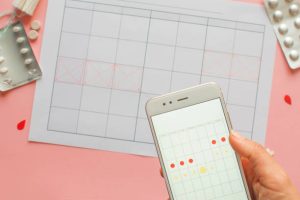
Menstrual Hygiene Day is an important global observance dedicated to raising awareness about menstrual health and hygiene, breaking the silence and stigma surrounding menstruation, and promoting the rights and dignity of women and girls everywhere. It is a day that calls for collective action from governments, communities, schools, and individuals to ensure that menstruation is understood, accepted, and properly managed without shame or discrimination.
0.Background of Menstrual Hygiene Day
Menstrual Hygiene Day is observed every year on May 28 to raise awareness about the importance of good menstrual hygiene management and to break the silence, stigma, and discrimination surrounding menstruation. The day promotes access to menstrual health education, sanitary products, clean water, and safe sanitation facilities for girls and women worldwide.
Menstrual Hygiene Day was first initiated in 2014 by WASH United, a global organization working to improve hygiene and sanitation awareness. Since then, the event has grown into a worldwide movement supported by governments, schools, health organizations, non-governmental organizations (NGOs), activists, and communities.
The date May 28 (28/5) was chosen symbolically because the average menstrual cycle lasts about 28 days, and menstruation typically lasts around 5 days each month. This symbolism helps emphasize the natural and biological nature of menstruation.
The main purpose of Menstrual Hygiene Day is to:
- Promote awareness about menstrual health and hygiene
- End stigma, myths, and taboos surrounding menstruation
- Advocate for equal access to menstrual products and sanitation facilities
- Support girls’ education and women’s health
- Encourage open discussions about menstruation
Globally, millions of girls and women face challenges managing menstruation due to poverty, lack of information, inadequate sanitation, and cultural discrimination. Many miss school or work during menstruation because they do not have access to safe menstrual products or private facilities.
Menstrual Hygiene Day highlights these challenges and encourages collective action to improve menstrual health policies, education, and infrastructure. Activities organized during the day often include:
- Public awareness campaigns
- School health education programs
- Community discussions and workshops
- Distribution of menstrual hygiene products
- Media campaigns and advocacy events
The observance also supports broader global goals such as:
- Gender equality
- Quality education
- Good health and well-being
- Clean water and sanitation
- Human rights and dignity
Today, Menstrual Hygiene Day continues to play a vital role in promoting a world where menstruation is openly discussed, properly understood, and managed safely, hygienically, and with dignity. The day encourages governments, schools, communities, and individuals to work together to eliminate stigma, improve access to menstrual health services and products, and ensure that every girl and woman can fully participate in education, work, and social life without barriers or discrimination related to menstruation
1.The Meaning and Purpose of Menstrual Hygiene Day
Menstrual Hygiene Day is observed every year on May 28th. The date is symbolic: it represents the average menstrual cycle of 28 days and the typical duration of menstruation, which is about five days (28/5). The day was established to highlight the importance of good menstrual hygiene management (MHM) and to draw attention to the challenges faced by millions of women and girls around the world.
Menstrual hygiene means keeping the body clean and managing menstruation (monthly periods) safely and comfortably. It includes:
- Using clean menstrual products such as pads, tampons, menstrual cups, or clean cloths
- Changing them regularly
- Washing the genital area with clean water and soap
- Having access to clean toilets, water, and proper disposal methods
- Practicing good hand hygiene before and after changing products
Good menstrual hygiene helps prevent infections, supports health and comfort, and allows girls and women to continue daily activities confidently during their periods. It is also an important part of reproductive health and dignity.
Despite being a natural biological process, menstruation is still surrounded by stigma, misinformation, and cultural taboos in many societies. These barriers often prevent open discussion and limit access to essential services, including sanitary products, clean water, private sanitation facilities, and accurate health education.
Characteristics of Good Menstrual Hygiene
Good menstrual hygiene should include these characteristics:
- Cleanliness — menstrual products and body are kept clean.
- Safety — products are hygienic and do not cause infections or irritation.
- Comfort — the method allows free movement and confidence.
- Regular changing — pads, tampons, or cloths are changed frequently.
- Proper washing — hands and genital area are washed regularly.
- Access to clean water and toilets — important for changing and cleaning safely.
- Proper disposal — used products are disposed of safely and hygienically.
- Environmental friendliness — reusable products can reduce waste when cleaned
- Privacy and dignity — girls and women should have private spaces for menstrual care.
- Affordability and accessibility — products should be easy to obtain and affordable.
Types of Menstrual Hygiene Methods
1. Sanitary Pads
Sanitary pads are disposable absorbent materials worn inside underwear to absorb menstrual blood. They come in different sizes, thicknesses, and absorbency levels for light or heavy flow.
Advantages:
- Easy to use and widely available
- Comfortable for beginners
- Available in day and night types
Disadvantages:
- Must be changed regularly (every 4–6 hours)
- Can cause irritation if kept too long
- Creates waste and can be costly over time
Care and Use:
- Change frequently to maintain hygiene
- Wrap and dispose of properly in bins
- Wash hands before and after changing
2. Reusable Cloth Pads
Reusable cloth pads are washable pads made from soft absorbent fabric. After use, they are washed, dried, and reused.
Advantages:
- Environmentally friendly
- Cost-effective in the long term
- Reusable for months or years with proper care
Disadvantages:
- Require clean water and soap for washing
- Need proper drying in sunlight to prevent germs
- May leak if not changed regularly
Care and Use:
- Wash thoroughly with soap and clean water
- Dry completely before reuse
- Store in a clean, dry place
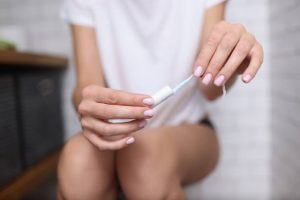
3. Tampons
Tampons are small absorbent products inserted into the vagina to absorb menstrual blood internally. They come with or without applicators.
Advantages:
- Comfortable for sports and swimming
- Invisible under clothing
- Allows easier movement
Disadvantages:
- Must be changed every 4–8 hours
- Incorrect use may increase risk of infection
- Some users may find insertion uncomfortable
Care and Use:
- Wash hands before insertion and removal
- Use the correct absorbency for flow level
- Never leave in for too long
4. Menstrual Cups
Menstrual cups are flexible cups made of medical-grade silicone or rubber inserted into the vagina to collect menstrual blood instead of absorbing it.
Advantages:
- Reusable and environmentally friendly
- Can last several years
- Holds more blood than many pads or tampons
- Cost-effective over time
Disadvantages:
- Requires practice to insert and remove
- Needs access to clean water for washing
- Some people may feel uncomfortable using it at first
Care and Use:
- Empty every 6–12 hours depending on flow
- Wash with clean water and mild soap
- Sterilize by boiling between menstrual cycles
5. Clean Cloths/Fabric
Clean cotton cloths are traditional menstrual materials used in some communities. They are folded and placed inside underwear to absorb blood.
Advantages:
- Cheap and easily available
- Reusable when properly cleaned
- Useful in areas with limited access to products
Disadvantages:
- Unsafe if not washed and dried properly
- Damp cloths can lead to infections
- Less absorbent than modern products
Care and Use:
- Wash thoroughly with soap and clean water
- Dry in direct sunlight to kill germs
- Store in a clean, dry place
- Change regularly during menstruation
2. Menstrual Hygiene as a Public Health Issue
Menstrual hygiene is not only a personal matter but also an important public health issue that affects the health, education, dignity, and social well-being of girls and women. Proper menstrual hygiene management (MHM) helps individuals manage menstruation safely, comfortably, and with confidence. It includes access to clean menstrual products, safe water, sanitation facilities, privacy, and accurate information about menstruation.
Importance of Menstrual Hygiene in Public Health
Good menstrual hygiene is essential because it:
- Prevents infections and reproductive health problems
- Promotes physical comfort and emotional well-being
- Supports school attendance and academic success
- Improves productivity at work
- Protects dignity and self-confidence
- Encourages gender equality and social inclusion
Menstruation is a natural biological process, but many girls and women still face challenges in managing it safely due to poverty, lack of education, cultural stigma, and inadequate sanitation facilities.
Health Consequences of Poor Menstrual Hygiene
Poor menstrual hygiene practices can lead to several health problems, including:
1. Reproductive and Urinary Tract Infections
Using unclean cloths, wearing pads for too long, or lacking clean water for washing can increase the risk of infections such as:
- Urinary tract infections (UTIs)
- Skin irritation and rashes
- Reproductive tract infections (RTIs)
2. Poor Mental and Emotional Health
Many girls experience shame, fear, anxiety, or embarrassment during menstruation, especially where menstruation is considered taboo. Lack of support and privacy may lower self-esteem and confidence.
3. Increased Risk of Unsafe Practices
When menstrual products are unavailable or unaffordable, some girls may use unsafe materials such as:
- Dirty cloths
- Tissue paper
- Leaves or other unhygienic materials
These practices may expose them to infections and discomfort.
Impact on Education
Menstrual hygiene strongly affects girls’ education.
School Absenteeism
Many girls miss school during menstruation because:
- Schools lack private toilets or water
- There are no facilities for changing pads
- Menstrual pain or discomfort is unmanaged
- They fear teasing or embarrassment
Missing several school days each month can negatively affect academic performance and participation.
School Dropout
In some communities, repeated absenteeism, stigma, and lack of support may contribute to girls dropping out of school entirely.
Concentration and Participation
Even when girls attend school, discomfort, fear of leakage, or anxiety may reduce concentration and classroom participation.
Impact on Work and Economic Productivity
Women in workplaces may also face difficulties managing menstruation due to:
- Lack of clean toilets and disposal facilities
- Limited access to menstrual products
- Menstrual pain and discomfort
- Workplace stigma and discrimination
As a result:
- Productivity may decrease
- Some women may miss workdays
- Economic opportunities can be affected
Proper menstrual hygiene support in workplaces improves employee well-being and efficiency.
Social and Cultural Challenges
In many societies, menstruation is surrounded by myths, stigma, and cultural restrictions. Some girls are taught not to:
- Discuss menstruation openly
- Participate in social or religious activities
- Attend school or public events during periods
These negative beliefs can lead to discrimination, shame, and social isolation.
Importance of Water, Sanitation, and Hygiene (WASH)
Effective menstrual hygiene management depends on access to:
- Clean water
- Private and safe toilets
- Soap and washing facilities
- Proper waste disposal systems
Without these services, maintaining hygiene becomes difficult and unsafe.
Measures to Improve Menstrual Hygiene
To address menstrual hygiene as a public health issue, governments, schools, communities, and health organizations can:
- Provide affordable menstrual products
- Improve water and sanitation facilities
- Offer menstrual health education
- Reduce stigma through community awareness
- Support girls and women with accurate health information
- Ensure schools and workplaces are menstruation-friendly
Menstrual hygiene is a major public health issue that affects health, education, gender equality, and quality of life. Ensuring proper menstrual hygiene management helps girls and women stay healthy, confident, and active in school, work, and society. Improving access to menstrual products, sanitation facilities, and education is essential for promoting dignity, equality, and public health for all.
3. Period Poverty and Inequality
One of the major issues highlighted on Menstrual Hygiene Day is period poverty. Period poverty refers to the lack of access to affordable menstrual products, proper sanitation facilities, clean water, and menstrual health education. It also includes the social stigma and discrimination associated with menstruation that prevent people from managing their periods safely and with dignity.
Period poverty is a global problem affecting millions of girls and women, especially those living in low-income families, rural areas, refugee camps, and marginalized communities. Although menstruation is a natural biological process, many individuals still struggle to access the basic resources needed for proper menstrual hygiene management.
Causes of Period Poverty
Several factors contribute to period poverty, including:
1. Financial Challenges
Many families cannot afford sanitary pads, tampons, menstrual cups, or other hygiene products because of poverty and high product costs. As a result, girls and women may:
- Use unsafe alternatives such as dirty cloths, tissue paper, or leaves
- Wear products for too long
- Miss school or work during menstruation
2. Lack of Sanitation Facilities
In many communities, schools and workplaces lack:
- Private toilets
- Clean water
- Soap and washing facilities
- Safe disposal systems for menstrual waste
Without these services, managing menstruation becomes difficult and unhygienic.
3. Limited Menstrual Health Education
Some girls reach puberty without understanding menstruation because of inadequate health education. Lack of accurate information can lead to:
- Fear and confusion
- Unsafe hygiene practices
- Increased stigma and myths about menstruation
4. Cultural Stigma and Discrimination
In some societies, menstruation is viewed as shameful or impure. Cultural taboos may discourage open discussion and prevent girls from seeking help or information.
Effects of Period Poverty
1. Health Problems
Using unsafe menstrual materials or poor hygiene practices can increase the risk of:
- Reproductive tract infections (RTIs)
- Urinary tract infections (UTIs)
- Skin irritation and discomfort
2. Impact on Education
Many girls miss school because they lack menstrual products or safe sanitation facilities. Repeated absenteeism may:
- Lower academic performance
- Reduce classroom participation
- Increase the risk of school dropout
3. Economic Consequences
Women who cannot manage menstruation properly may miss work or experience reduced productivity. This limits economic opportunities and financial independence.
4. Emotional and Psychological Effects
Period poverty can cause:
- Stress and anxiety
- Embarrassment and shame
- Low self-esteem
- Social isolation
Girls may avoid social activities or public participation during menstruation due to fear of stigma or leakage.
Inequality and Gender Disparities
Period poverty deepens existing social and gender inequalities. Girls and women from poor households are disproportionately affected because they already face limited access to education, healthcare, and employment opportunities.
Lack of menstrual hygiene resources can:
- Reduce equal participation in society
- Limit educational achievement
- Affect long-term career opportunities
- Reinforce cycles of poverty and discrimination
Menstrual inequality also affects people with disabilities, homeless individuals, refugees, and those living in humanitarian crises who may have even fewer resources and support systems.
Solutions to Period Poverty
Addressing period poverty requires cooperation from governments, schools, communities, health organizations, and the private sector.
1. Affordable and Free Menstrual Products
Governments and organizations can:
- Reduce taxes on menstrual products
- Provide free pads in schools and public institutions
- Support local production of low-cost reusable products
2. Improved Water and Sanitation Facilities
Schools and workplaces should provide:
- Private toilets
- Clean water and soap
- Safe disposal bins
- Changing facilities
3. Menstrual Health Education
Comprehensive education helps people understand:
- Menstruation and reproductive health
- Safe hygiene practices
- The importance of breaking stigma and myths
Education should include both girls and boys to promote understanding and support.
4. Community Awareness and Advocacy
Public campaigns and community programs can:
- Normalize conversations about menstruation
- Challenge harmful cultural beliefs
- Promote dignity and gender equality
5. Sustainable Menstrual Solutions
Reusable pads and menstrual cups can provide environmentally friendly and affordable long-term solutions when proper cleaning facilities are available.
Period poverty is a serious public health and human rights issue that affects health, education, dignity, and equality. Millions of girls and women continue to face barriers to safe menstrual hygiene management because of poverty, stigma, and lack of resources. Addressing period poverty through education, affordable products, improved sanitation, and supportive policies is essential for promoting gender equality, public health, and social inclusion worldwide.
4. Stigma, Culture, and Social Barriers
In many societies around the world, menstruation is still surrounded by stigma, myths, and cultural taboos. Instead of being treated as a normal biological process, menstruation is often considered shameful, impure, or something that should remain secret. These negative attitudes create social and psychological barriers for girls and women and affect their ability to manage menstruation with confidence and dignity.
Cultural beliefs and misconceptions about menstruation often lead to silence, embarrassment, discrimination, and exclusion. As a result, many girls grow up without proper information about menstrual health and may feel ashamed or fearful when they begin menstruating.
Cultural Beliefs and Misconceptions
Different communities have traditions and beliefs related to menstruation. Some of these beliefs may limit the participation of menstruating girls and women in daily activities.
In some cultures, menstruating individuals may be:
- Prevented from attending religious ceremonies
- Restricted from cooking or handling food
- Isolated from family or community activities
- Discouraged from discussing menstruation openly
- Considered “unclean” during their periods
These harmful beliefs reinforce negative attitudes and increase discrimination against girls and women.
Social Barriers Created by Menstrual Stigma
1. Silence and Lack of Communication
Because menstruation is often treated as a private or embarrassing topic, many girls feel unable to ask questions or seek help. Parents, teachers, and community leaders may also avoid discussing menstrual health openly.
This silence can result in:
- Fear and confusion at puberty
- Lack of accurate information
- Unsafe menstrual hygiene practices
2. Teasing and Bullying
Girls may face teasing or humiliation at school because of menstrual accidents, stains, or misconceptions about menstruation. Fear of embarrassment can reduce self-confidence and participation in class activities.
3. Limited Participation
Some girls avoid:
- School attendance
- Sports and physical activities
- Social gatherings
- Community events
during menstruation because of stigma or lack of support.
4. Gender Inequality
Menstrual stigma reinforces gender inequality by making girls and women feel ashamed of a natural biological process. It limits equal participation in education, employment, leadership, and public life.
Psychological and Emotional Effects
Menstrual stigma can negatively affect mental and emotional well-being. Girls and women may experience:
- Shame and embarrassment
- Anxiety and stress
- Low self-esteem
- Social isolation
- Lack of confidence
The fear of leakage, teasing, or discrimination can create emotional pressure during menstruation.
The Role of Education and Awareness
Education is one of the most effective ways to break menstrual stigma and promote healthy attitudes toward menstruation. Comprehensive menstrual health education helps people understand that menstruation is normal, healthy, and natural.
Importance of Menstrual Health Education
Schools play an important role in providing:
- Accurate scientific information about menstruation
- Guidance on menstrual hygiene management
- Emotional support and safe learning environments
When girls receive proper education before puberty, they are more prepared and confident in managing menstruation.
Menstrual education also helps:
- Correct myths and misconceptions
- Promote healthy hygiene practices
- Reduce fear and embarrassment
- Encourage gender equality
Involving Boys and Men
Including boys and men in menstrual health education is equally important. Educating boys helps:
- Reduce teasing and bullying
- Build empathy and understanding
- Encourage supportive attitudes
- Normalize conversations about menstruation
When boys understand menstruation scientifically and respectfully, communities become more inclusive and supportive.
Community Awareness and Advocacy
Community programs and awareness campaigns can help change harmful social attitudes about menstruation. These efforts may include:
- Public health campaigns
- Media discussions and educational programs
- Youth-led initiatives
- Community workshops and seminars
Such programs encourage open discussion, challenge harmful cultural beliefs, and promote dignity and respect for menstruating individuals.
Creating Supportive Environments
Supportive schools, workplaces, and communities should:
- Provide private sanitation facilities
- Ensure access to menstrual products
- Promote respectful treatment
- Encourage open communication
- Protect girls and women from discrimination
Creating supportive environments helps girls and women participate fully in education, work, and social life during menstruation.
Stigma, cultural beliefs, and social barriers surrounding menstruation continue to affect the health, confidence, and opportunities of millions of girls and women worldwide. Silence and discrimination reinforce gender inequality and limit participation in daily life. However, education, awareness, and open discussion can help break these barriers. By teaching both girls and boys about menstruation respectfully and scientifically, societies can promote dignity, equality, and better menstrual health for all.
5. Policy, Infrastructure, and Sustainable Solutions
Governments, institutions, and communities have an important responsibility to support effective menstrual hygiene management (MHM) through strong public policies, improved infrastructure, and sustainable solutions. Menstrual health is not only a personal issue but also a matter of public health, human rights, gender equality, and social development.
Access to safe menstrual hygiene requires more than just menstrual products. It also depends on supportive environments that provide clean water, sanitation facilities, privacy, education, and affordable healthcare services. Without proper policies and infrastructure, many girls and women continue to face barriers to managing menstruation safely and with dignity.
The Role of Government Policies
Government policies play a major role in improving menstrual health and reducing inequality. Effective policies help ensure that menstrual hygiene products and services are accessible, affordable, and available to everyone.
Important Policy Measures
Governments can support menstrual hygiene by:
- Providing free or subsidized menstrual products in schools, hospitals, and public institutions
- Reducing or removing taxes on menstrual products
- Including menstrual health education in school curricula
- Promoting gender equality and menstrual rights
- Supporting public awareness campaigns
- Funding menstrual health programs and research
Strong policies help protect the dignity, health, and educational opportunities of girls and women.
Importance of Infrastructure
Proper infrastructure is essential for safe menstrual hygiene management. Schools, workplaces, healthcare centers, and public spaces should provide facilities that allow individuals to manage menstruation comfortably and privately.
Infrastructure Needs
1. Access to Clean Water
Clean water is necessary for:
- Washing hands
- Cleaning reusable menstrual products
- Maintaining personal hygiene
Without safe water, proper menstrual hygiene becomes difficult and unhealthy.
2. Private and Safe Toilets
Girls and women need toilets that are:
- Clean and secure
- Private and lockable
- Equipped with water and soap
- Accessible to people with disabilities
Lack of private toilets can increase embarrassment, stress, and school absenteeism.
3. Proper Disposal Systems
Safe disposal systems for used menstrual products are important to:
- Prevent environmental pollution
- Maintain sanitation and hygiene
- Reduce unpleasant odors and waste accumulation
Schools and public places should provide covered bins and proper waste management systems.
4. Menstruation-Friendly Schools and Workplaces
Supportive institutions should:
- Provide menstrual products when needed
- Allow flexible support for menstrual pain or health needs
- Create environments free from stigma and discrimination
Sustainable Menstrual Solutions
Sustainability is becoming an important part of menstrual hygiene management. Disposable menstrual products create large amounts of waste, which can harm the environment if not managed properly.
Promoting sustainable menstrual products helps reduce environmental impact while improving long-term affordability and accessibility.
Types of Sustainable Menstrual Products
1. Reusable Pads
Reusable cloth pads can be washed and reused for many months or years.
Benefits:
- Affordable over time
- Environmentally friendly
- Easy to use
2. Menstrual Cups
Menstrual cups are reusable silicone or rubber cups that collect menstrual blood.
Benefits:
- Long-lasting (can be used for several years)
- Produces very little waste
- Cost-effective in the long term
3. Period Underwear
Special absorbent underwear designed for menstruation can also be washed and reused.
Benefits:
- Comfortable and reusable
- Reduces waste from disposable products
Environmental Benefits of Sustainable Products
Using reusable menstrual products helps:
- Reduce plastic waste
- Lower environmental pollution
- Decrease waste in landfills
- Promote environmentally responsible practices
This contributes to environmental sustainability and supports global efforts to reduce waste and pollution.
Challenges to Sustainable Solutions
Although sustainable products have many benefits, some barriers still exist:
- Limited awareness and education
- Cultural resistance or misconceptions
- Lack of clean water for washing reusable products
- High initial purchase cost for some products
To overcome these challenges, communities need education, supportive policies, and improved sanitation services.
Investment in Menstrual Health
Investment in menstrual hygiene management benefits society in many ways. It improves:
- Public health
- Educational achievement
- Workplace productivity
- Gender equality
- Environmental protection
When governments and organizations invest in menstrual health programs and infrastructure, girls and women can participate more fully in school, work, and community life.
Strong policies, proper infrastructure, and sustainable menstrual solutions are essential for effective menstrual hygiene management. Access to clean water, private sanitation facilities, affordable menstrual products, and education helps protect the health, dignity, and rights of girls and women. Promoting sustainable menstrual products also supports environmental conservation and long-term accessibility. By investing in menstrual health, societies can create healthier, more equal, and more inclusive communities for everyone.
6.Conclusion: A Call for Collective Action
Menstrual Hygiene Day serves as an important reminder that menstrual health and hygiene are fundamental human rights. Menstruation is a natural biological process experienced by millions of girls and women worldwide, and no one should face discrimination, shame, or limitations because of it.
Despite global progress, many girls and women still struggle with inadequate access to menstrual products, clean water, sanitation facilities, health education, and supportive environments. Period poverty, cultural stigma, misinformation, and poor infrastructure continue to affect health, education, dignity, and equal participation in society.
Creating a world where menstruation is openly discussed, properly managed, and free from stigma requires collective action from all sectors of society. Governments must implement strong policies and invest in menstrual health programs and sanitation infrastructure. Schools should provide accurate menstrual education and safe, supportive learning environments. Healthcare professionals must promote awareness and accessible reproductive health services. Communities, families, media organizations, and individuals all have a role in challenging harmful cultural beliefs and encouraging open, respectful conversations about menstruation.
Education and awareness are powerful tools for change. Teaching both girls and boys about menstruation in a scientific, respectful, and inclusive way helps reduce stigma, discrimination, and misunderstanding. Providing affordable and sustainable menstrual products, along with access to clean water and private sanitation facilities, is essential for protecting dignity and promoting equality.
Sustainable menstrual solutions such as reusable pads and menstrual cups can also contribute to environmental protection while improving long-term affordability and accessibility. Supporting innovation and investment in menstrual health benefits not only individuals but also communities and national development.
On this Menstrual Hygiene Day, the global community is called upon to take action and work together to ensure that every girl and woman can manage menstruation safely, hygienically, confidently, and with dignity. Breaking the silence around menstruation is an important step toward building healthier, more inclusive, and gender-equal societies where no one is held back because of a natural biological process.
Dr. Havugimana Alexis ‘s on 28.5.2026
- “Menstruation is not a weakness of the body, but a silent testimony of life’s continuity.”
- “Where menstruation is honored, dignity is restored; where it is shamed, humanity is weakened.”
- “A society that silences menstruation silences half of its wisdom.”
- “Hygiene is not only cleanliness of the body, but respect for the life within it.”
- “To educate a girl about her body is to liberate a generation from ignorance.”
- “Period poverty is not only lack of pads, but lack of justice.”
- “When a girl misses school because of menstruation, society loses a future leader.”
- “Stigma does not come from nature; it is born from human misunderstanding.”
- “Menstrual health is not a privilege—it is a human right wrapped in dignity.”
- “The bathroom is not just a facility; it is a space of dignity and equality.”
- “Silence around menstruation builds walls; education builds bridges.”
- “A confident girl is one who is not punished by her own biology.”
- “Clean water is not luxury; it is the language of dignity in menstrual health.”
- “What is hidden in shame becomes a burden; what is spoken in truth becomes healing.”
- “Menstrual hygiene is where health, education, and justice meet.”
- “A nation cannot claim progress while its girls suffer in silence every month.”
- “Respect for menstruation is respect for humanity itself.”
- “No girl should choose between dignity and education during her period.”
- “True development is measured by how a society treats its most natural processes.”
- “When we break the silence on menstruation, we build a culture of understanding and equality.